

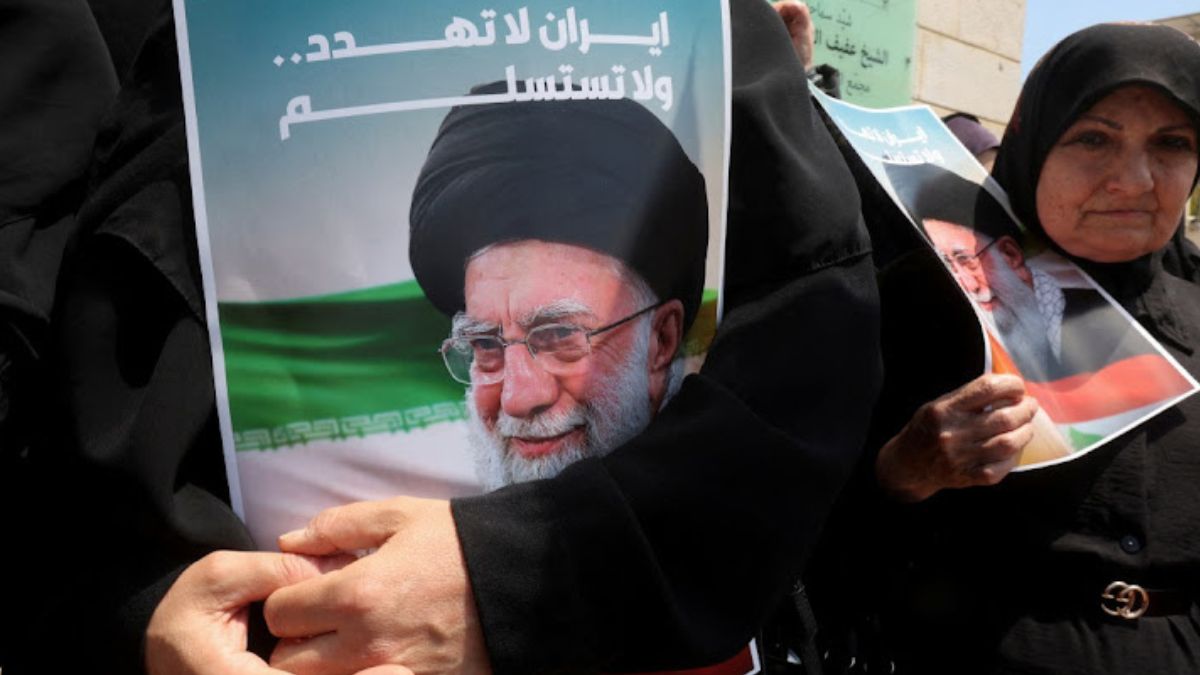
The temporary cessation of the Israel-Iran conflict has brought attention to an alarming situation: the absence of Iran’s Supreme Leader, Ayatollah Ali Khamenei. The leader has not been seen or heard from publicly for almost a week, a situation that has sparked anxiety among Iranian citizens and political circles. Khamenei’s absence followed the commencement of the war and the targeting of top Iranian officials.
Mehdi Fazaeli, the head of Khamenei’s archives office, responded to questions about the Supreme Leader’s absence on Iranian state television. While he acknowledged the public’s worry, he avoided providing a direct answer. He said that those responsible for the Supreme Leader’s protection are doing their job, but he offered no further details. Iranian officials claim Khamenei is in a bunker to avoid assassination attempts.
The absence of Khamenei has raised questions about the decision-making process during this critical time. Despite the cease-fire, brokered at the request of President Trump, it is unclear whether top officials have consulted with Khamenei. The situation has also led to political infighting within Iran’s government. Competing factions have emerged, each with its own vision for Iran’s future. The longer Khamenei remains out of sight, the greater the uncertainty will become.