

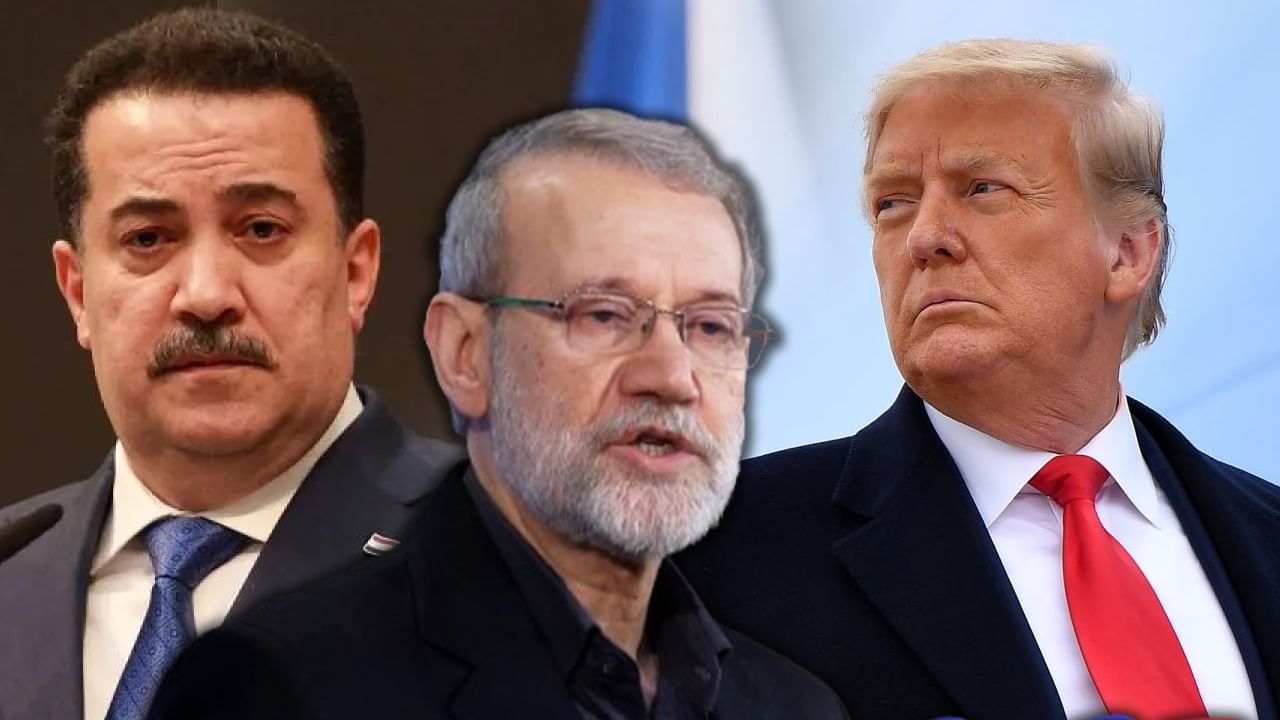
The United States has expressed concern over a recently concluded defense agreement between Iran and Iraq. The agreement, focused on enhanced security collaboration along their shared 1400-kilometer border, has drawn a wary response from Washington.
The deal, formalized in Baghdad on August 11th, involved high-ranking officials, including Iraq’s National Security Advisor Qasim al-Araji and Iran’s Supreme National Security Council Secretary Ali Larijani, with Iraqi Prime Minister Mohammed Shia al-Sudani also in attendance.
This agreement is a continuation of a March 2023 deal which focused on greater border control between Iran and Iraqi Kurdistan, and it follows a period of heightened tension in Iran, following the death of Mahsa Amini in September 2022, which led to large protests.
It has been reported that the Iraqi Kurdish administration has put pressure on Iranian Kurdish opposition groups, encouraging them to disarm and move into camps. However, some have chosen to continue their fight against the IRGC within Iran. Iran accuses these groups of inciting unrest and links them to Mossad. The security deal is partly motivated by Iranian fears of possible incursions over the border, particularly if tensions with the US or Israel intensify.
The United States’ concerns arise from several factors.
The US believes that the deal will increase Iran’s influence in Iraq. The US desires to maintain its presence in Iraq and curtail the influence of Iran-backed militias within Iraq’s security apparatus. The US sees the agreement as detrimental to its own interests.
Another significant worry for the US is the military capacity of Iranian-backed groups, which have medium-range missiles and drones capable of attacking Israeli and US targets. The US is apprehensive that these groups, if uncontrolled, could destabilize the region.
In addition, the US aims for changes within the PMF, an Iran-backed paramilitary organization, including possible dismantling or government control, alongside the government regaining control over areas currently held by militias. The US is concerned that failure to achieve these objectives could provoke Israeli airstrikes, leading to regional instability.