

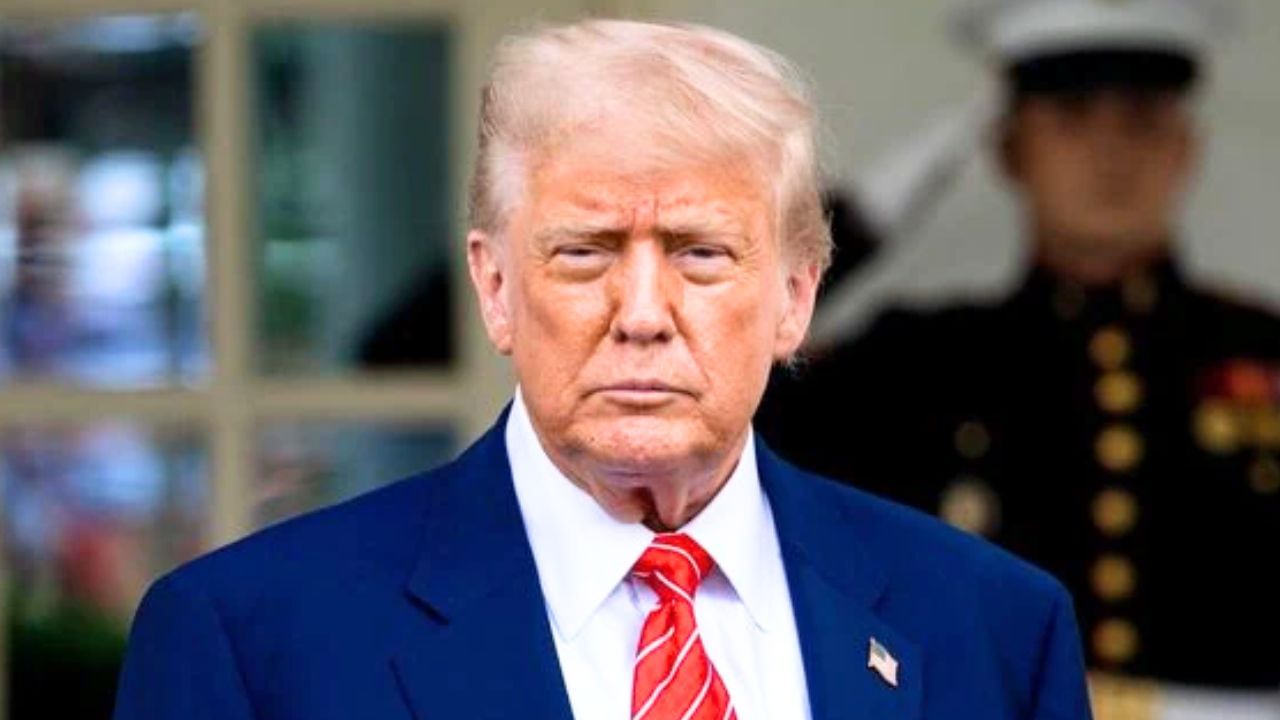
A recent court decision has significantly impacted former US President Donald Trump’s use of tariffs. The imposition of tariffs by Trump has led to complications for his administration. Trump had argued that he had the authority to implement tariffs on foreign goods without the approval of Congress. However, a federal appeals court has rejected this assertion. The court’s ruling emphasizes that the Constitution grants Congress the power to levy tariffs, while presidents have gradually gained more authority. The court found that Trump had overstepped his bounds by using a national emergency declaration to justify tariffs on a wide range of countries, upholding a previous ruling from the Special Federal Trade Court in New York.
The court’s decision presents a setback for Trump. The unpredictability of his trade policies has triggered instability in financial markets, resulting in business stagnation, inflation, and worries about a possible economic downturn. The court’s decision directly addresses the tariffs Trump imposed in April on nearly all US trading partners.
The Trump administration had contended that former US President Richard Nixon was allowed to utilize emergency powers to impose tariffs during an economic crisis. The court responded by noting that Nixon took this action when he abandoned the gold standard. The US International Trade Court in New York concluded that Trump’s tariff actions exceeded the scope of presidential authority under emergency conditions.
There was some disagreement among the judges in the court’s decision. The court specified that the 1977 law did not permit the implementation of emergency measures. The government cautioned that the elimination of Trump’s tariffs would necessitate the reimbursement of tariffs collected from numerous countries. The government noted that July’s revenue reached $159 billion, doubling the previous year’s figure. In a legal argument, the Justice Department cautioned that removing tariffs could trigger a financial crisis in the US and could impede Trump’s ability to levy tariffs in the future.
Trump has long characterized the US trade deficit as a national emergency. Without Congressional approval, Trump claimed he implemented these tariffs under the 1977 International Emergency Economic Powers Act, asserting it was in the nation’s best interest. The court stated that the US Constitution grants Congress the power to set taxes, including tariffs, but lawmakers have progressively given presidents more tariff-related authority. The court also noted that Trump had taken full advantage of this.
After announcing the tariffs, Trump postponed their implementation for 90 days to allow countries to negotiate trade agreements with the US. While some nations, including the UK, Japan, and the European Union, complied with the move, others did not. Trump imposed additional tariffs on those countries earlier this month, including Laos (40%), India (50%), and Algeria (30%).