

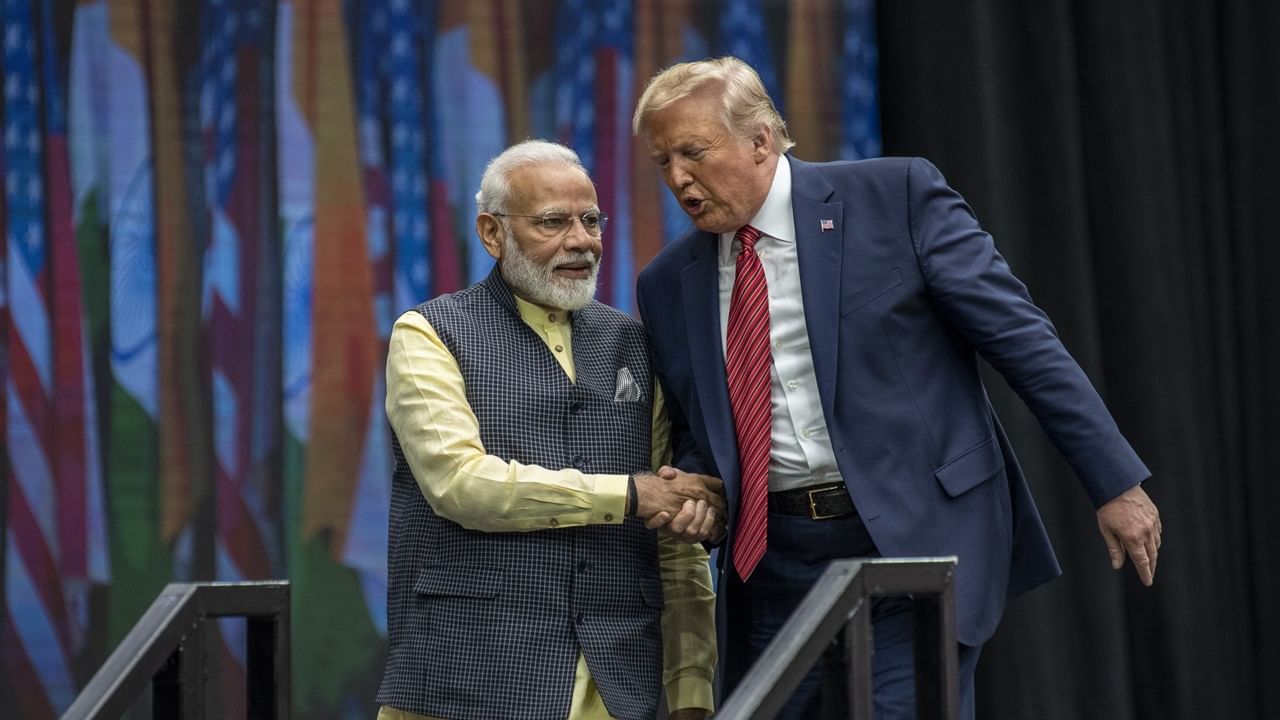
Trade relations between India and the United States have become tense due to tariffs, compounded by US President Trump’s statements on the India-Pakistan conflict. India’s response to the US tariffs has led to a change in the US approach, with the US expressing a desire for negotiation.
The US imposed a 50% tariff on India starting August 27. The US now wants to discuss this issue with India. Consequently, the US has signaled that it is open to negotiations. The US wishes to restart discussions with the Indian government’s top officials.
After India’s strong reaction, the US administration has signaled its intentions, viewing anti-India statements as a pressure strategy. The US has also cautioned that it might take action against India in other areas if negotiations are not initiated.
The US does not want to isolate India. The US has sent out signals for dialogue, as it wants to maintain its partnership with India.
The US put pressure on countries such as Japan and South Korea to make deals. The US has adapted its strategy due to India’s growing ties with Russia and China. The US is signaling that once India takes action, Trump will adjust his approach. This statement clearly indicates that Trump wants to engage in open dialogue regarding the tariff dispute and resolve the current issues with India.
India imports roughly 40% of its oil from Russia. The US is unhappy about this. Trump initially raised the possibility of stopping these purchases. However, India continued to purchase from Russia. Trump then announced a 50% tariff on India, asserting that India’s oil purchases were helping Russia’s actions in Ukraine.