

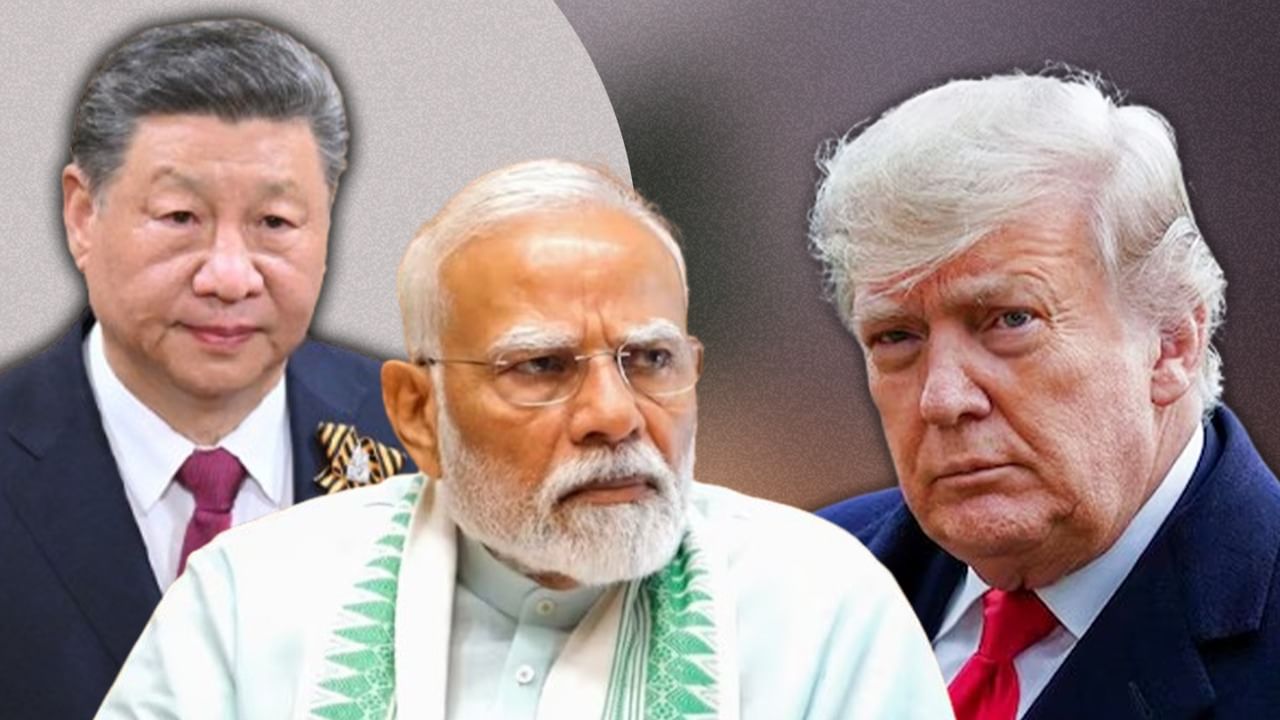
China, facing economic pressures from the trade policies of former US President Donald Trump, sought India’s assistance. President Xi Jinping wrote a confidential letter to Indian President Droupadi Murmu in March 2025, the contents of which have been made public. A Bloomberg report, published five months later, revealed the core message: Jinping’s strategy to fight against the US in a trade conflict, and his request for India’s support.
The Bloomberg report detailed the letter’s specifics, revealing a plan to counter Trump’s tariffs. Jinping also expressed a desire to foster improved relations between the two nations.
The letter made mention of a person that Jinping believed to be critical in the negotiation process; however, Bloomberg did not release their identity.
According to information obtained from Indian diplomats by Bloomberg, China was then engaged in a tariff dispute with the United States. Jinping did not want to appear weak, so he directly contacted India. The goal was to keep the matter private. Jinping viewed the US trade agreements as harmful to China’s interests. Tariffs between China and the US had escalated to 250 percent.
The report highlights that India remained silent on Jinping’s secret letter until June 2025, offering no immediate response. It was only after the trade war ceased that India responded to China’s efforts to improve relations.
This resulted in visits by India’s External Affairs Minister S. Jaishankar and NSA Ajit Doval to China, and Chinese Foreign Minister Wang Yi’s visit to New Delhi.
Analysts have noted that Trump’s approach involved two key errors. The first involved claims about the India-Pakistan ceasefire, which India found objectionable. The second error was Trump’s move to impose a 50 percent tariff on India, which further harmed the relationship.
The report suggests that the US lost a significant ally in South Asia as a result of Trump’s actions. This led to the commencement of diplomatic discussions between India and China, with both nations now focused on the prospect of initiating trade.