

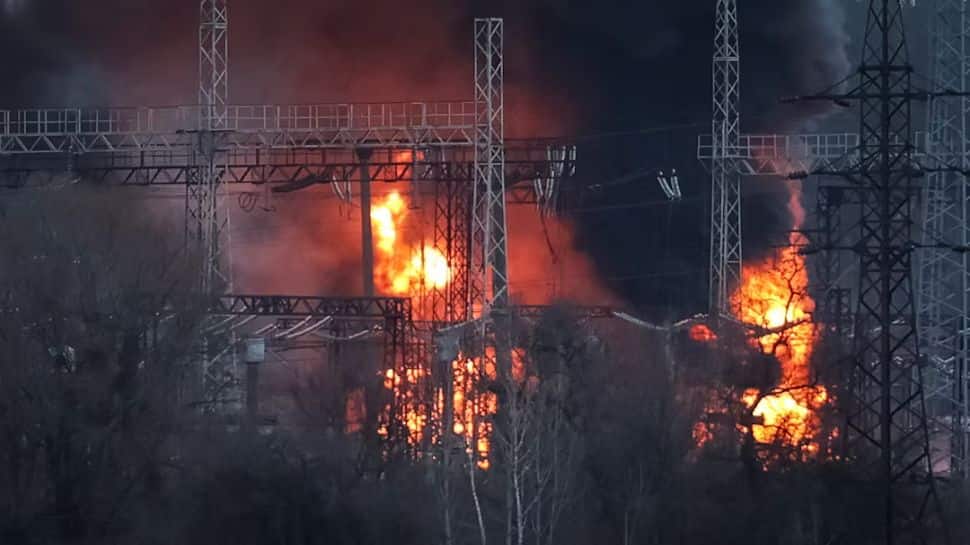
Ukraine’s energy infrastructure is under increased threat as Russia refines its aerial attack strategy, targeting critical facilities with advanced drones and missiles. This evolving campaign focuses on coordinated strikes against power stations, electricity grids, heating infrastructure, and natural gas reserves, aiming to diminish Ukraine’s energy supply ahead of winter.
Recent assaults have deployed hundreds of drones and dozens of missiles in synchronized attacks. The drones have been enhanced for greater speed, higher altitude capabilities, and sharp dive maneuvers, complicating interception efforts. Missile software updates have introduced erratic flight patterns, making them more difficult for sophisticated air defense systems, such as the Patriot, to track and neutralize. This technological advancement is reflected in significantly lower interception rates, dropping from 37% in August to a mere 6% in September.
Targets are deliberately chosen for maximum impact, with energy facilities like power plants and natural gas access points experiencing repeated strikes. According to analysts, Russia intends to create regional energy and heating deficits, leaving Ukrainian civilians exposed to harsh winter conditions. This marks a departure from earlier, less coordinated attacks that were more effectively mitigated by Ukrainian defenses. The current combination of faster, more elusive drones, unpredictable missile paths, and precise targeting dramatically increases the probability of successful damage.
Russian military planners are reportedly enhancing the coordination and timing of their strikes. The large-scale attack on a significant Kyiv power station on October 10, utilizing hundreds of drones and missiles across several cities, exemplifies this new operational approach. The strategy’s long-term implications are also crucial; Russia aims to impose sustained pressure on repair and rebuilding efforts, ensuring prolonged weakness in the energy and gas sectors. This deliberate effort to degrade Ukraine’s resilience during the crucial winter months, coupled with ongoing improvements in drone and missile technology, represents the most sophisticated phase of Russia’s campaign against Ukraine’s energy systems to date.