

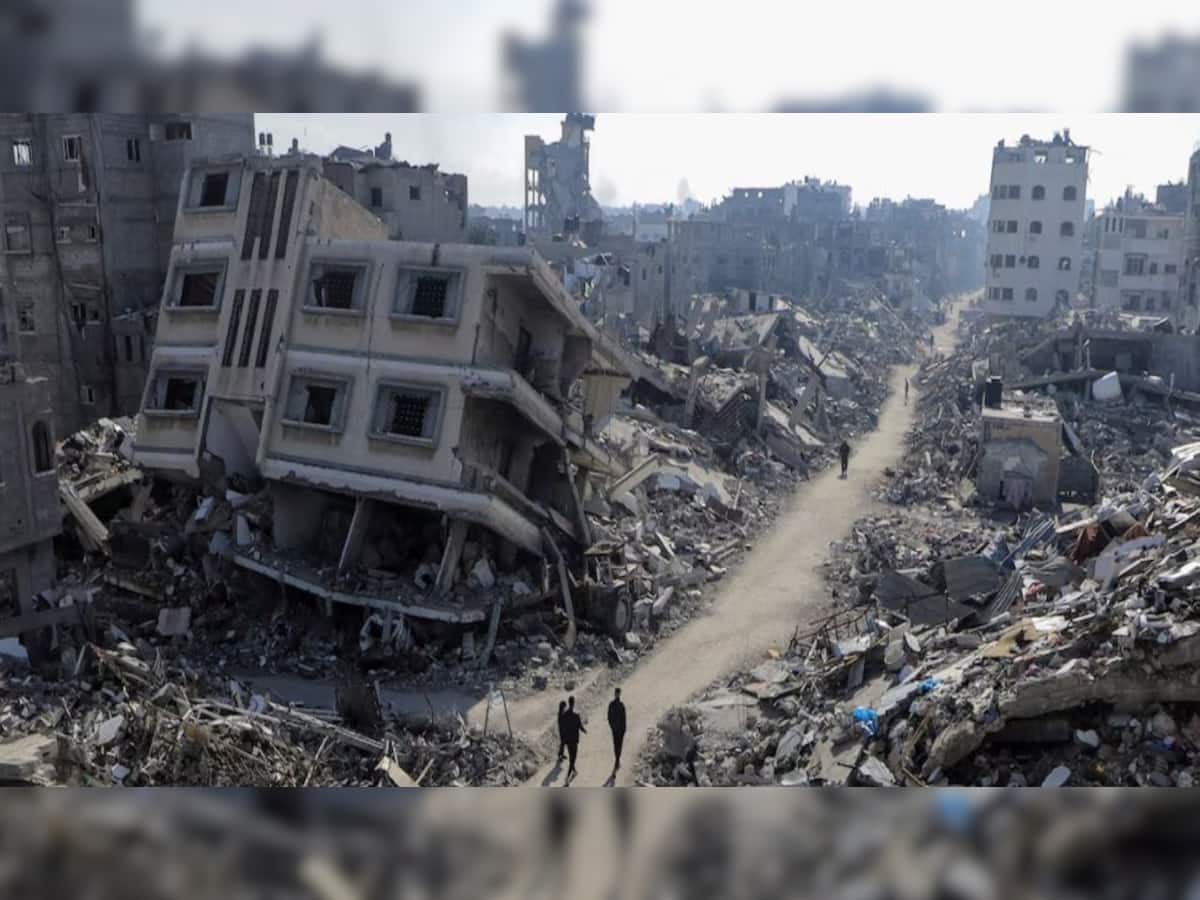
The ongoing war in Gaza has proven to be a watershed moment for the Middle East, dramatically reconfiguring regional power balances over the past two years. Its effects are widespread, impacting Lebanon, Syria, Iran, and Yemen, and fundamentally altering how the international community perceives and interacts with the region.
Analysts agree that the changes wrought by this conflict are profound, marking a significant departure from the status quo. The war began with Hamas’s devastating attack on Israel on October 7, 2023, an event that left a heavy toll in lives and led to the capture of many hostages. This assault irrevocably shattered any perception of Israeli invincibility.
Israel’s subsequent military response in Gaza has been extensive and has resulted in immense destruction and a tragically high number of Palestinian casualties, as documented by international organizations. The scale of the humanitarian crisis is vast, with implications expected to span generations.
The October 7th attack acted as a trigger, escalating existing regional tensions and drawing in Iran-backed actors. Hamas, Hezbollah in Lebanon, and the Houthis in Yemen, all part of Iran’s strategic ‘Axis of Resistance,’ became focal points of the conflict. This broadened engagement compelled Israel to shift its strategy from containment to direct confrontation with these groups and their patron, Iran.
Israel’s military operations extended to targeting Hezbollah’s infrastructure and leadership in Lebanon, significantly weakening its capabilities. In Syria, the prolonged rule of Bashar al-Assad collapsed swiftly, a development partly linked to the reduced support from Iran and Hezbollah. Israel also engaged militarily within Syria to neutralize perceived threats.
The long-simmering conflict between Israel and Iran moved into direct confrontation in 2024, marked by aerial exchanges. A peak in hostilities occurred in June 2025 with an Israeli strike on Iran’s nuclear facilities, leading to a brief, internationally mediated war involving the US and Qatar.
These events have substantially eroded the power and reach of Iran’s proxy network, diminishing the influence of Hamas and Hezbollah. The fall of the Syrian regime has also impacted Russia’s standing in the region. China’s diplomatic influence has waned, with a renewed focus on US engagement. Conversely, Turkey has solidified its role, forging stronger ties with Syria’s new government and influencing regional stability.
Diplomatic efforts spearheaded by Egypt, Qatar, and Turkey have been instrumental in achieving ceasefires and securing the release of hostages in Gaza. International pressure and diplomatic maneuvering by global powers played a significant role in these outcomes. Despite its military capabilities, Israel faces substantial diplomatic challenges and isolation.
While a ceasefire offers a temporary respite, critical questions regarding the future governance, security, and recognition of Palestinian territories remain unresolved. The international community continues to consider the West Bank and Gaza as occupied. Nevertheless, the dramatic shifts in the region present a unique, albeit challenging, opportunity to pursue a path toward lasting peace and stability.