

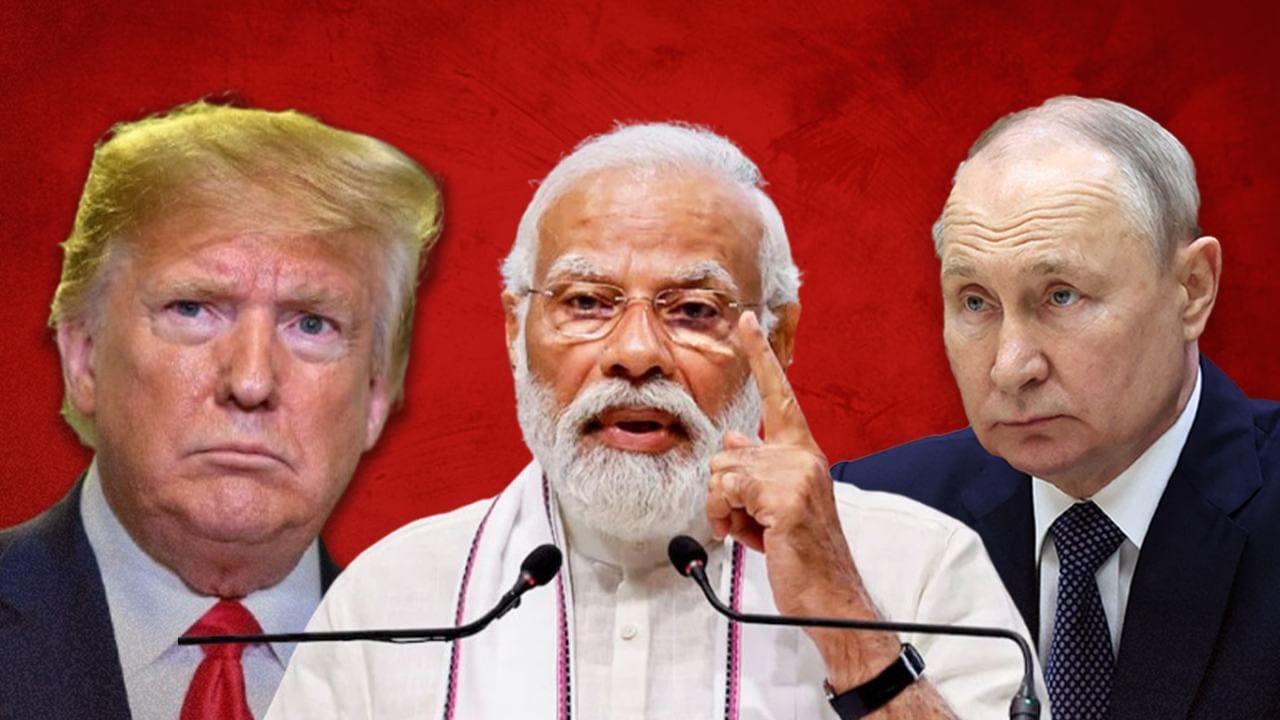
Donald Trump recently issued a statement expressing regret over perceived fractured relationships with Vladimir Putin of Russia and Narendra Modi of India. This statement was made on his social media platform, Truth, following the SCO meeting in China and the Victory Day parade. This shift in tone raises questions about the underlying reasons for this change.
The US and India have historically maintained strong ties. India serves as a crucial partner in South Asia, often opposing China. Trump had strengthened ties with India during his presidency, marked by joint rallies. A European Foreign Department survey highlighted strong support for Trump within India. However, recent events have led to a deterioration of this relationship.
The US has imposed a 50% tariff on India concerning its oil purchases from Russia. Further, Trump and his advisors have criticized India. Sources suggest that Trump’s ‘MAGA’ team has contributed to the downturn in relations. The improving relationship between India and China is perceived as a challenge for the US. Reports indicate the Indian Prime Minister’s reluctance to discuss tariffs with the US.
Trump’s efforts to improve relations with Russia have faced hurdles. His team views the alliance between Russia and China as a strategic threat to the US. The display of unity between Putin, Xi Jinping, North Korea, and Iran has unsettled the US. The lack of focus on denuclearization of the Korean Peninsula is a key concern. With Putin and Jinping backing Kim Jong-un, Trump’s earlier efforts to engage him may be in jeopardy.
Additionally, Putin’s influence in the Middle East through Iran, which has resumed support for proxy organizations, and its uranium enrichment program also present complex issues. These actions contribute to the growing concern about a global alignment against US interests. Trump’s regret and public remorse stem from this evolving geopolitical landscape.