

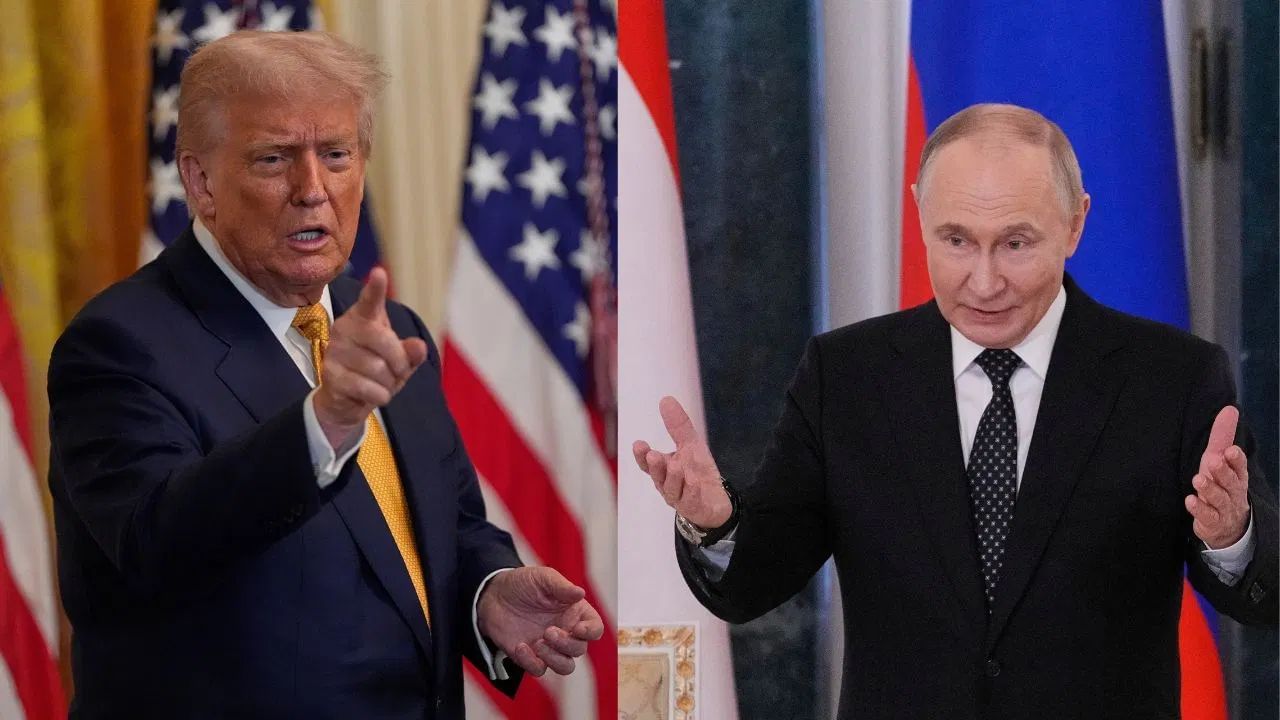
In a matter of hours, Anchorage, Alaska, will host a high-stakes meeting between Donald Trump and Vladimir Putin, two of the world’s most prominent dealmakers. The meeting, which follows their last encounter by six years, has the potential to impact the ongoing Russia-Ukraine war.
The primary question is whether these leaders can find common ground. Success depends on their ability to agree on terms. Trump is perceived as a skilled dealmaker, but Putin’s extensive experience, political understanding, and diplomatic strategies make him a seasoned negotiator. Therefore, convincing Putin to accept Trump’s conditions will be difficult. Considering recent examples can help determine who has the advantage.
Trump’s previous deals have been problematic. Consider the case of North Korea. Trump expressed his willingness to engage with Kim Jong Un to pursue the denuclearization of North Korea. However, Kim Jong Un’s sister asserted the U.S. must accept North Korea’s status as a nuclear power and warned that dialogue would not lead to disarmament. In the case of Iran, Trump withdrew from the Obama-era nuclear agreement during his first term, but did not secure a new, long-term agreement. In his second term, he set a deadline for Iran to adhere to the nuclear deal’s conditions, but neither Iran nor Israel conceded, leading to a 12-day war. Iran remains steadfast in its stance.
Furthermore, Trump’s attempts with Brazil were also unsuccessful. He wanted to bring Brazil under his conditions, but he failed. He imposed a 50% tariff to protect former President Bolsonaro. Despite this, Brazilian President Lula da Silva did not comply, causing a strain in relations. These events show that Trump’s deal-making methods often generate initial attention, but they frequently encounter difficulties or remain unfinished.
Putin’s approach to dealmaking differs from Trump’s. Putin is known for prioritizing action over words. According to experts, he secures agreements in a highly controlled environment. The recent relationship with Kim Jong Un illustrates this.
Despite Kim’s reputation, Putin has quietly forged a strong alliance with him. North Korea has even sent soldiers to support Russia in the war in Ukraine. In summary, whereas Trump’s deals are often headline-grabbing and create immediate interest, Putin’s are often solidified behind the scenes and have lasting influence over the years.