

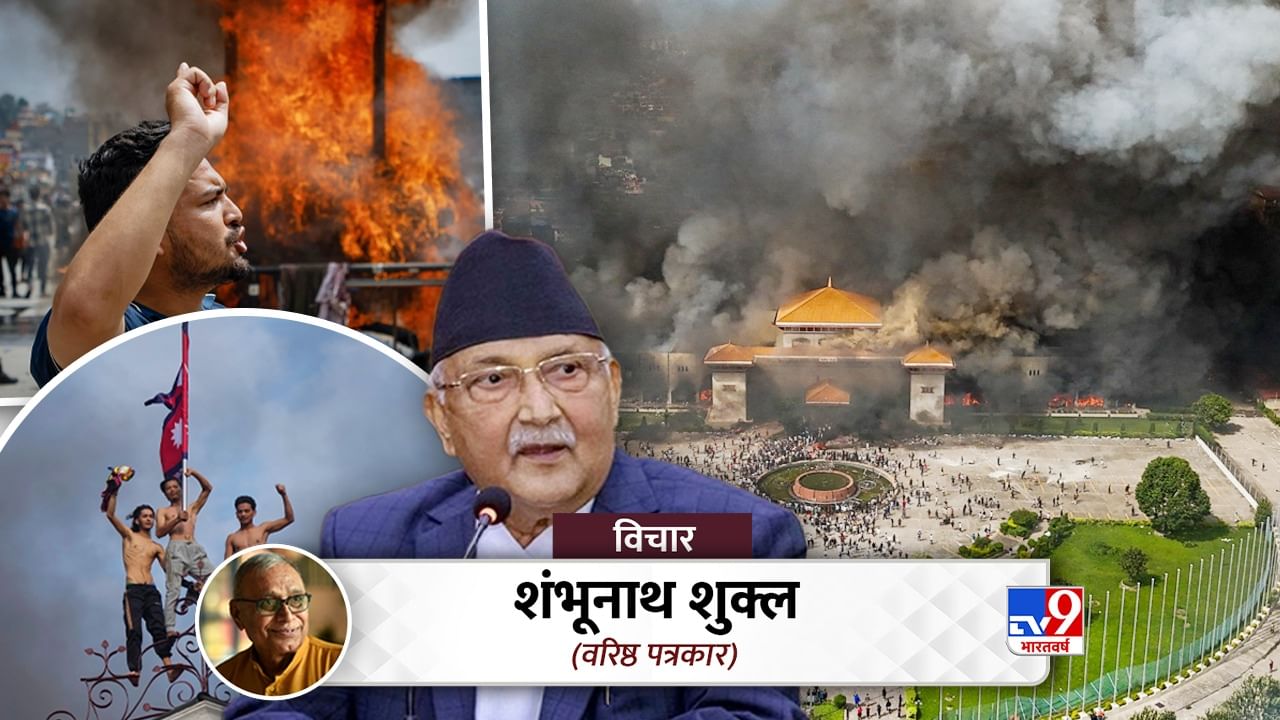
From Nepal to Bangladesh, the pattern of government downfall in smaller nations reveals common threads. The recent events in Nepal, where the government of KP Sharma Oli faced a crisis, demonstrate this trend. Public anger erupted into violence, leading to casualties, destruction, and the eventual resignation of the Prime Minister.
The roots of this instability lie in corruption, economic woes, and political mismanagement. In Nepal, the government’s failure to address these issues, coupled with strained relations with India and perceived favoritism towards China, fueled the unrest. The marginalization of the Madhesi community also contributed to the crisis.
This pattern is not isolated. Similar events have unfolded in countries like Sri Lanka, Afghanistan, and Bangladesh. These nations share characteristics like smaller size, high unemployment, and widespread corruption. The role of external actors, such as China and the United States, also influences these situations.
Comparing Nepal to Libya’s situation in 2011 shows how social media can fuel public outrage and challenge authoritarian regimes. The experiences of Bangladesh and other countries suggest that transitions to new governments do not automatically resolve underlying problems. The current situation in Nepal shows that the young mayor of Kathmandu, Balen Shah, is leading the protests. The involvement of global powers like India, China, and the United States adds another layer to the situation and highlights the complex geopolitical dynamics at play in Nepal.