

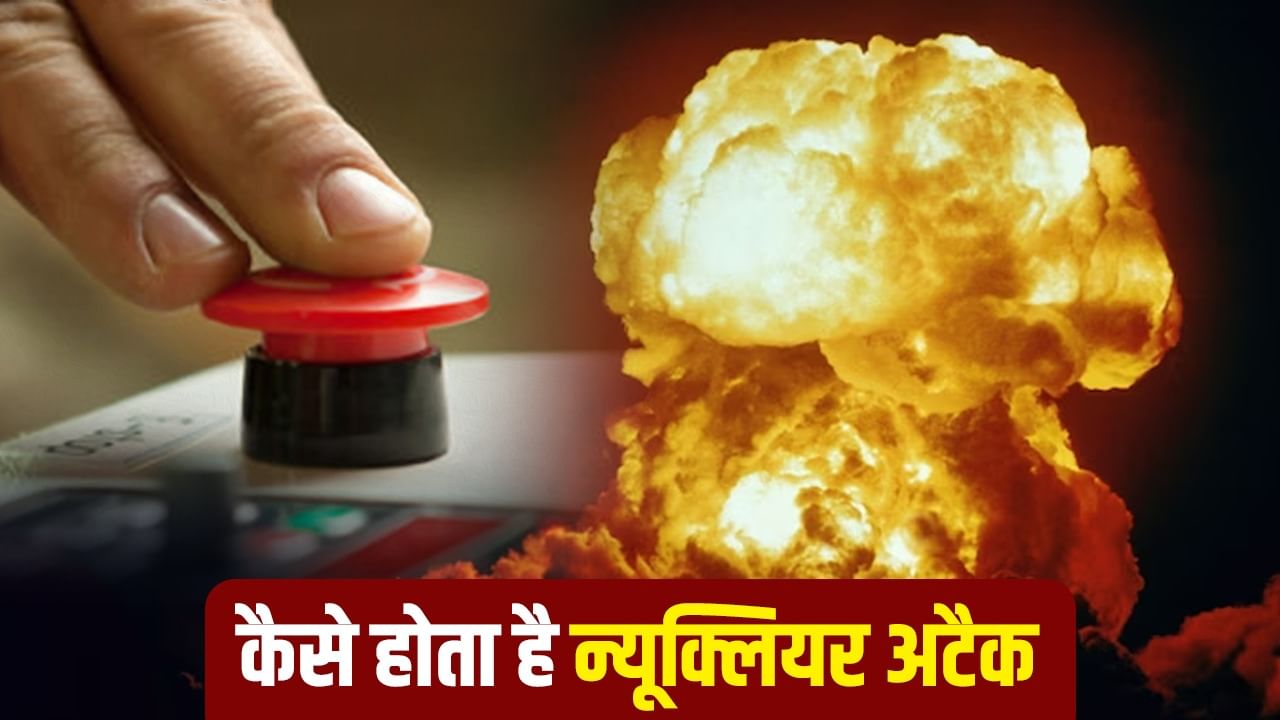
The events in Hiroshima, which occurred 80 years ago, stand as a somber testament to the destructive force of nuclear weapons. On August 6, 1945, the United States launched an atomic bomb on the city, causing immense destruction and resulting in approximately 140,000 fatalities by the end of that year. The weapon, known as ‘Little Boy,’ was dropped from a B-29 bomber.
Due to their catastrophic capabilities, the use of nuclear weapons is governed by stringent protocols. Before any deployment, a detailed procedure must be followed, and the necessity of such an attack must be firmly established. The US, when striking Hiroshima and, shortly after, Nagasaki, justified the attacks as essential to expedite the end of the war and safeguard the lives of their soldiers, citing Japan’s refusal to surrender unconditionally. However, the global community widely viewed these attacks as an act of extreme cruelty. Fortunately, nuclear weapons have not been deployed in armed conflict since that time. Should a nation consider initiating such an attack, a comprehensive series of steps must be meticulously followed.
Steps in a Nuclear Attack:
1. The Decision: Nuclear policies vary across nations. India has a ‘No First Use’ policy, which means it will only use nuclear weapons in retaliation. In contrast, the United States reserves the right to launch a first strike and can guarantee nuclear security to its allies when necessary. The US could, therefore, decide to launch a nuclear attack if it determines that it is under threat of a nuclear attack, but only after confirming the imminence of that attack.
2. Gathering of Advisors: The power to decide on and execute a nuclear attack resides with the highest authority of a country, typically the Prime Minister or President. In the United States, this power rests with the President, while in India, the Prime Minister holds the final authority. Before a decision is made, a meeting of the Nuclear Command Authority (NCA) is held, and it is chaired by the Prime Minister. Similar arrangements are generally observed worldwide. Before the decision, intelligence reports and assessments by military and strategic advisors are considered.
3. Issuing the Fire Order: Following the decision, secure communication lines are established with locations where nuclear weapons are stationed. The Prime Minister or President issues the Fire Order, a highly encrypted code, to missile bases, air force units, and submarines. The designated units must then verify the order’s authenticity.
4. Weapon Deployment: Upon verification, the weapons are activated. This includes preparing ballistic or hypersonic missiles for launch from land, readying bomber aircraft or fighter jets for air strikes, and bringing submarines or warships to a state of readiness for maritime attacks. The target is then selected, and the missile is launched.
Destructive Power:
It is difficult to precisely quantify the total damage from an atomic bomb, but the devastation of Hiroshima and Nagasaki serves as an indicator. A nuclear attack can destroy everything within a radius of 2 to 5 kilometers. The temperature at the center of the blast can reach 5,000 to 6,000 degrees Celsius for a brief moment, a heat capable of melting iron. The atmosphere will be filled with radioactive particles, and all electronic systems will fail.