

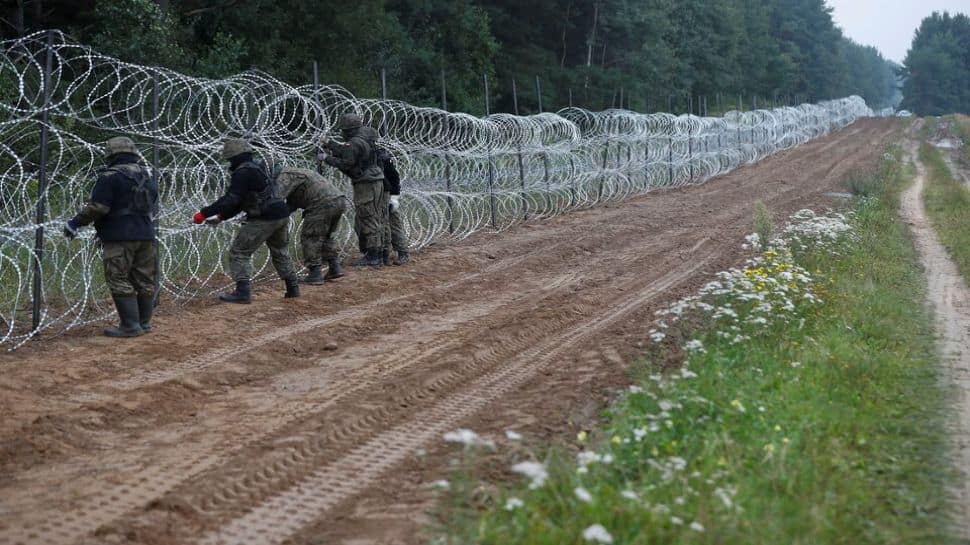
In a strategic pivot mirroring historical warfare, Finland and Poland are actively developing sophisticated natural defenses along their borders with Russia and Belarus. This initiative centers on leveraging peatlands, turning strategically important border regions into challenging, waterlogged obstacles for potential aggressors.
Inspired by the effectiveness of flooded terrain used defensively, these nations are initiating large-scale peatland restoration. Finland is focusing on its lengthy eastern border, reintroducing water to formerly drained land. Poland is similarly fortifying its eastern flank, working to recreate extensive marshland environments over the coming decades to deter military movements.
The military effectiveness of such natural barriers has been historically proven. Wartime accounts from the mid-20th century vividly describe how vast marshlands in Eastern Europe immobilized invading armies, leading to significant delays, equipment losses, and tactical failures. This underscores the inherent defensive power of these landscapes.
These border fortification projects also align with global environmental goals. Peatland restoration is a highly effective method for carbon capture, flood prevention, and water conservation. By reviving these crucial ecosystems, Finland and Poland are pursuing a forward-thinking strategy that enhances national security while contributing to ecological resilience and combating climate change.