

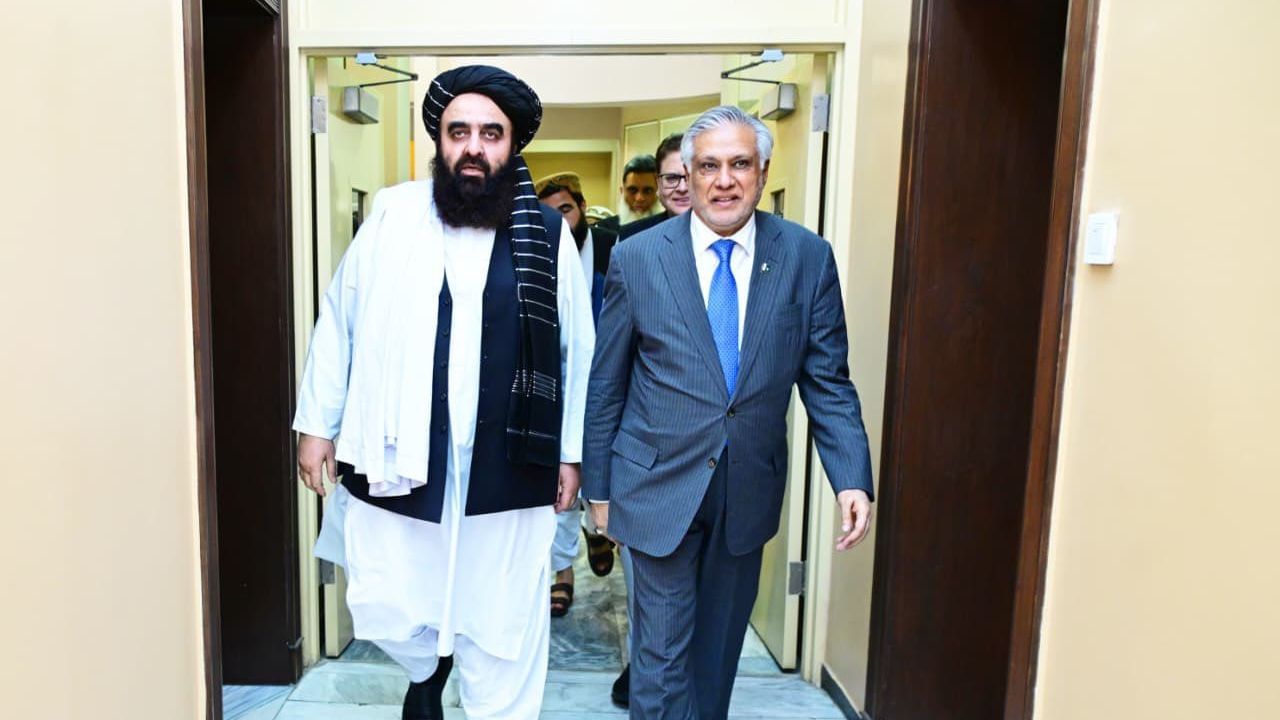
Pakistan is facilitating a meeting in Islamabad on August 25th and 26th, involving individuals opposed to the Taliban. The event is expected to draw approximately 30 attendees, including Afghan political figures in exile, activists, women’s rights advocates, and representatives from various protest movements, alongside senior Pakistani officials. The agenda includes discussions on human rights, the status of women and girls, and the future political trajectory of Afghanistan.
This informal gathering, referred to as “Pak-Afghan Dialogue – Towards Unity and Trust,” is being coordinated by the South Asian Strategic Stability Institute University in Islamabad. The move is interpreted by some as a calculated effort by Pakistan to challenge the Taliban’s authority and frame them as a terrorist entity.
Former U.S. envoy Zalmay Khalilzad has criticized Pakistan’s support for the event, indicating concerns. He highlighted that such actions might further strain the relationship between Afghanistan and Pakistan.
Pakistan has voiced its concerns at the United Nations, viewing the outflow of terrorism from Afghanistan as a serious threat to global security. Pakistan’s envoy Asim Iftikhar Ahmad highlighted the continuing instability within Afghanistan, including the presence of ISIS-K. The envoy also emphasized the need to address groups like the TTP and Baloch insurgents.
Pakistan views the TTP, comprising approximately 6,000 fighters, as an imminent threat emanating from Afghanistan. The Taliban denies the presence of such groups, however, UN reports confirm the TTP’s presence. The National Resistance Front of Afghanistan declined the invitation to the meeting. The Pakistani foreign ministry has not commented on the meeting. The meeting is occurring during a time when the Taliban’s foreign minister postponed a scheduled visit to Pakistan. On August 20th, a trilateral meeting was held in Kabul between the foreign ministers of Afghanistan, China, and Pakistan. The objective was to advance the mutual interests of the three nations. While no trade agreement was achieved, China achieved its strategic goals by securing agreement on extending the China-Pakistan Economic Corridor to Kabul.