

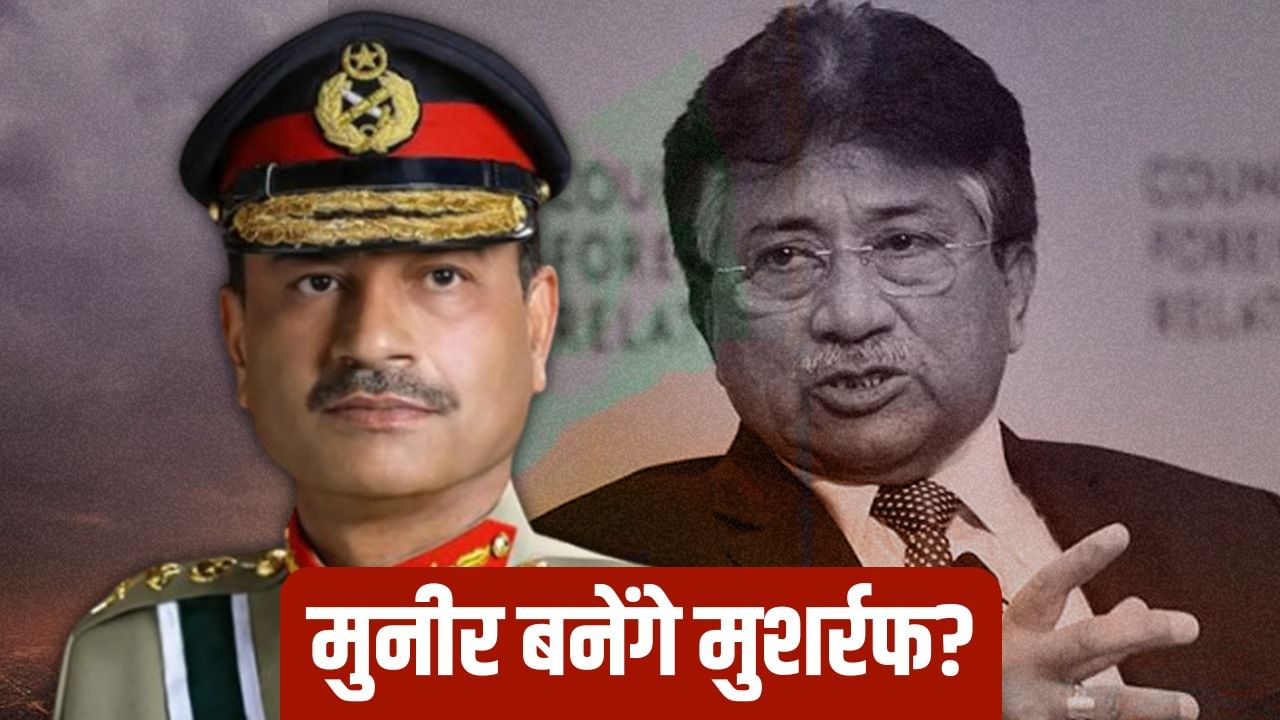
A recent decision by the Shehbaz Sharif government in Pakistan has generated significant backlash from the opposition and human rights groups. The government has passed the Anti-Terrorism Amendment Bill, which has been met with criticism. The new bill allows the military and security agencies to detain individuals for three months without trial.
Critics contend that the move could lead Pakistan towards a dictatorial regime, potentially echoing the actions of General Pervez Musharraf and strengthening the influence of the current Army Chief, General Asim Munir.
Key Aspects of the New Law:
The amendment reinstates a provision from the 2014 Anti-Terrorism Act, which was previously removed in 2016. This provision allows for preventive detention for up to three months based on suspicion or intelligence reports. Arrests can be ordered by the government, military, or paramilitary forces. Investigations will be carried out by a Joint Interrogation Team (JIT), consisting of police, intelligence agencies, and military officials. The law is set to remain in effect for three years, with the possibility of an extension by Parliament.
Opposition and Activist Reactions:
Barrister Gohar Ali Khan, the Chairman of PTI, has called the law a breach of human rights, arguing that detaining someone for three months solely on suspicion, without a court appearance, is a sign of dictatorship. Human rights organizations fear that the law will be used to silence dissent and target government opponents, rather than combating terrorism.
Government’s Justification:
Law Minister Azam Nazeer Tarar says that the law will only be used in specific circumstances. He maintains that arrests must be based on strong grounds and that the detained will be brought before a magistrate within 24 hours. The law is designed to be temporary. Yet, human rights organizations are concerned, questioning if the military and agencies will adhere to these limitations in a country where they have historically held significant power.
The Threat of Dictatorship and Munir:
In 1999, Pervez Musharraf overthrew the elected government of Nawaz Sharif in a military coup. He suspended the constitution, imposed an emergency, and used military force to suppress opposition. The Supreme Court later declared his actions unlawful, finding him guilty of treason.
Critics fear that General Asim Munir may use this new law to consolidate power, focusing more on control than on combating terrorism.