

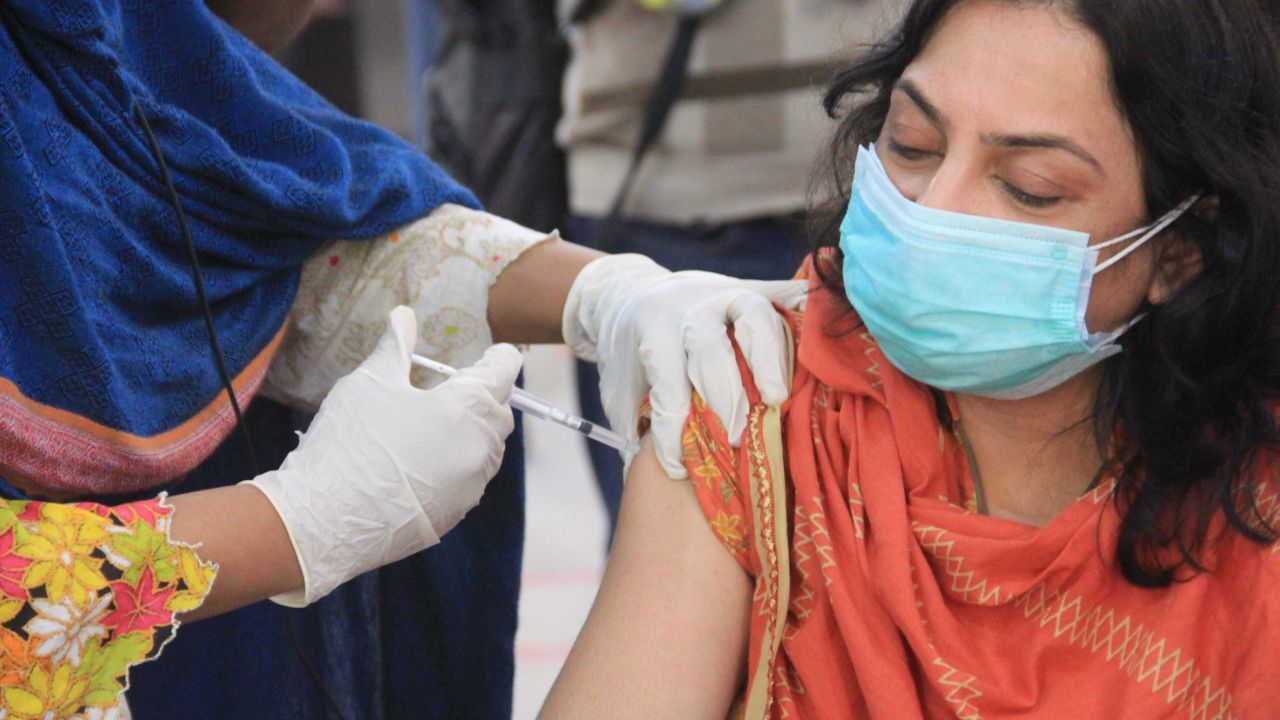
The Pakistani government has announced plans to vaccinate 10 million underage girls with the HPV vaccine, prompting widespread discussion. The Ministry of Health has outlined a phased approach, initially focusing on girls in Islamabad, Punjab, PoK, and Sindh, before expanding to Balochistan and Khyber.
The initiative has stirred considerable debate, with many questioning the program’s implementation, considering the historical hesitancy towards vaccines, including those for polio and COVID-19, in Pakistan.
**Understanding the HPV Vaccine**
The Human Papilloma Virus (HPV) vaccine targets cervical cancer. Married women are at a higher risk of developing this form of cancer. The government’s decision underscores its commitment to preventive healthcare through vaccination.
Rashida Batool, District Health Officer of Islamabad, noted that about 5,000 Pakistani women are diagnosed with cervical cancer annually, with around 3,000 deaths each year. The government intends to eradicate this threat through this vaccination program.
Cervical cancer is linked to HPV in 70% of cases, and the disease exclusively affects women. The Pakistani government emphasizes its compliance with WHO guidelines, which emphasize the importance of early vaccination to reduce risks.
**Vaccinating Only Underage Girls**
The vaccination program will target girls aged 9 to 14. The focus on this age group raises questions about why married women are not included.
Pakistani government officials state that the vaccine can reduce cervical cancer cases by 90%. The vaccination program aims to protect the health of young girls.
**Vaccine Hesitancy in Pakistan**
Pakistan has faced significant challenges with vaccine programs, especially for polio. From 2012 to 2025, over 20 attacks targeted polio teams, leading to 110 deaths. Similar controversy arose during the COVID-19 vaccine rollout.
A key question is whether the HPV vaccine will be accepted by underage girls in Pakistan, especially given the past history of vaccine skepticism and the ongoing security concerns in some areas.