

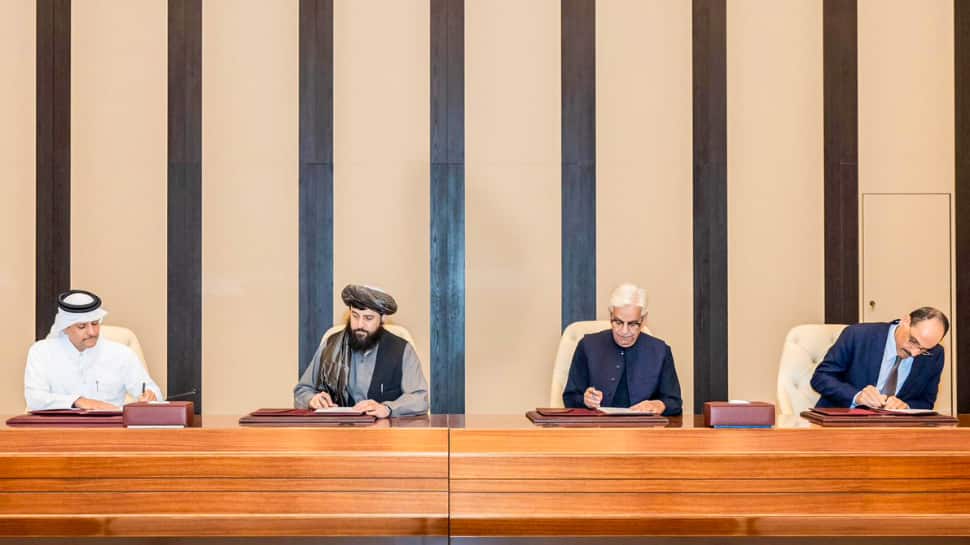
High-level discussions between Pakistan and Afghanistan in Istanbul, lasting four days, have concluded without resolution, marking a major setback for diplomatic efforts. Reports suggest the Pakistani delegation exited the talks due to significant disagreements over critical demands, leading to an impasse.
The Istanbul summit aimed to ease prevailing tensions, which had previously led to a temporary ceasefire brokered by Qatar and Turkey after Pakistan allegedly violated Afghan airspace. This incident had prompted a strong reaction from Kabul.
Afghanistan’s side reaffirmed its commitment to preventing the use of its territory against Pakistan. Crucially, they also demanded that Pakistan halt its airspace violations and cease U.S. drone activities within Afghanistan. These stipulations were reportedly rejected by Pakistan, according to sources.
A central point of contention was Pakistan’s request for Afghanistan to formally designate the Tehrik-i-Taliban Pakistan (TTP) as a terrorist group and to launch military action against it. Afghanistan’s Defense Minister reportedly countered this, suggesting that the ‘terrorism’ label is often applied politically against opponents.
This diplomatic stalemate emerged even as Pakistan’s Defense Minister had publicly stated the possibility of military action if dialogue proved ineffective. Afghanistan, meanwhile, continued to stress its dedication to resolving issues through peaceful negotiations, revealing a significant divergence in their strategic outlooks.