

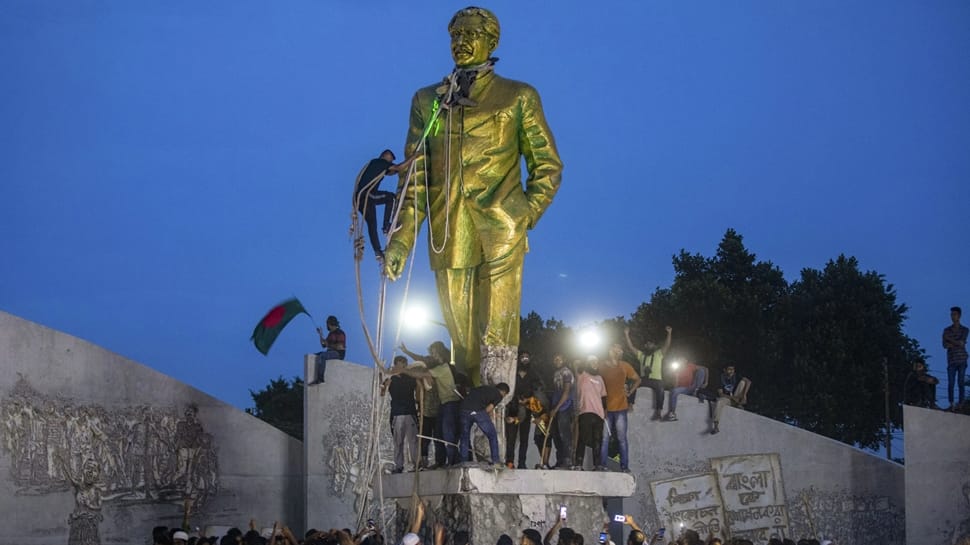
Despite assurances from the interim government regarding upcoming elections, Bangladesh is facing a grim reality marked by the growing influence of radical groups and the specter of renewed civil unrest. The initial hope for a swift return to normalcy is quickly fading.
The political environment is highly volatile. Even significant parties like the Bangladesh Nationalist Party (BNP) are expressing profound skepticism about the prospect of a free and fair electoral process, with some questioning if elections will happen at all. A major source of instability is the growing animosity between student leaders and the advisers governing the country.
This conflict between the students, who were instrumental in the August 2024 uprising that removed Sheikh Hasina, and the interim government’s advisors is now posing a significant threat to Bangladesh’s future.
The student movement has formalized into the National Citizen Party (NCP), aiming to contest elections anticipated in February 2026. However, the NCP harbors deep suspicions about certain advisers within the Muhammad Yunus-led interim administration, accusing them of secretly engaging with political parties to secure their own future. This mistrust reached a critical point with NCP leader Sarjis Alam’s statement suggesting that death might be the only remaining option for these advisers, illustrating the depth of the crisis.
This situation is being interpreted by experts as a prelude to further upheaval, potentially leading to a repeat of the August protests, spearheaded by the NCP. Compounding these internal issues is the alleged involvement of Pakistan’s ISI, reportedly using Jamaat-e-Islami to destabilize the nation. An unstable Bangladesh serves the ISI’s strategic interests, especially concerning India’s security, with the ISI’s broader agenda often including the creation of regional chaos and support for extremist groups.
Student leaders in the NCP also believe that some interim government advisers are actively collaborating with existing political parties to ensure their ongoing comfort and influence after the elections. They contend that the interim government has failed to deliver the improved administration and stability envisioned after Sheikh Hasina’s ouster.
Since the August protests and the formation of the interim government, Bangladesh has been characterized by negative trends: widespread radicalization, the assertiveness of Islamist factions, economic downturn, suspected ISI interference, and an increase in the persecution of minority communities.
The NCP is pushing for elections, but there is growing doubt about whether powerful entities like Jamaat are truly committed to holding a democratic process. Furthermore, even if elections are conducted, a significant portion of the population anticipates an unfair outcome, with many stating their intention to abstain from voting. The current internal discord and widespread public apprehension strongly indicate that another period of significant public unrest is imminent.