

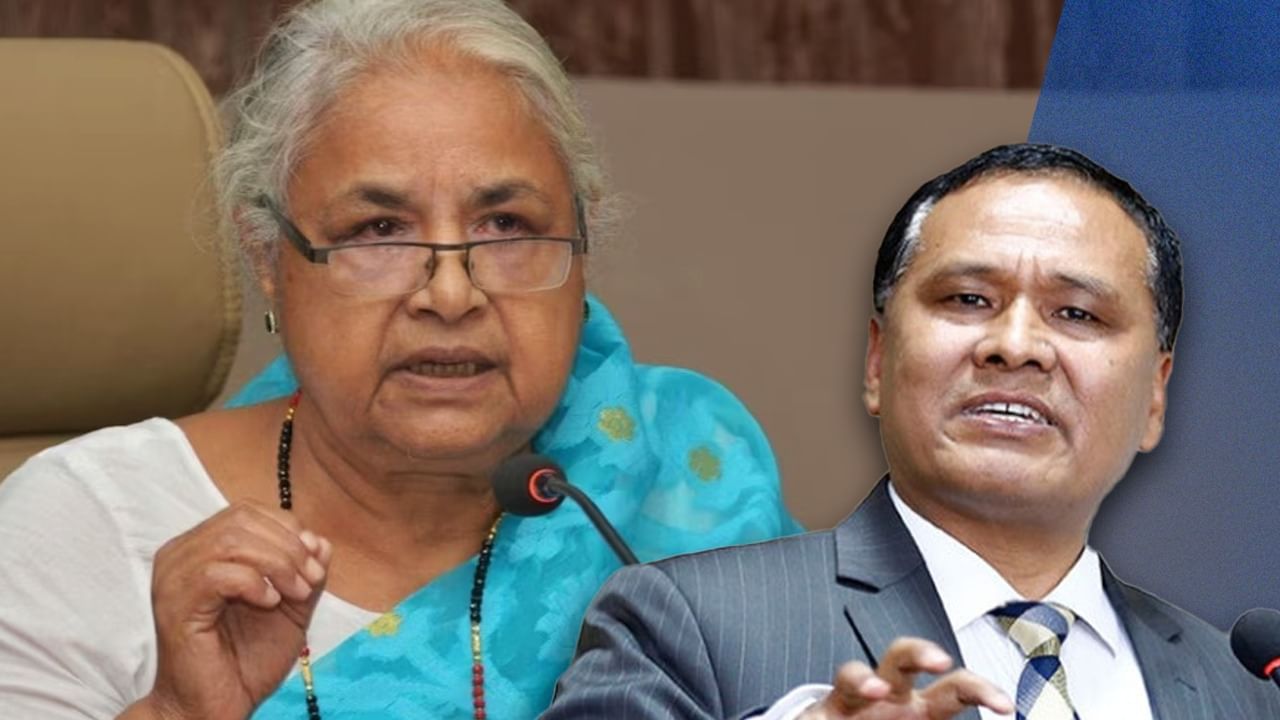
Following the resignation of KP Sharma Oli, Sushila Karki has been appointed as the interim prime minister of Nepal. Karki met with President Ramchandra Paudel and Army Chief Ashore Raj before taking office. Karki, 74, is supported by Generation-Z and will oversee elections and systemic reforms. The decision to appoint Karki came after various candidates were considered, including Kulman Ghising, Balen Shah, and Durga Prasai.
Why Karki?
1. Supreme Court Background: Karki, a former Chief Justice, distinguishes herself. Her background provides expertise in governmental structure. As Chief Justice, Karki was known for her criticism of corruption.
2. Strong Ties with India: Karki has good relations with India. She is a Banaras Hindu University graduate. She thanked Indian Prime Minister Narendra Modi upon being considered. India plays a crucial role in Nepali politics.
3. Political Neutrality: Karki lacks political enemies, unlike Kulman Ghising (who had disputes with KP Sharma Oli) and Balen Shah (who had disputes with the Nepali Congress). Appointing them could have caused constitutional issues. The army and the president sought a compromise.
4. Constitutional Context: Karki, a former Chief Justice, will serve as interim prime minister. The constitution does not mention an interim PM, which could lead to a Supreme Court case. The President aimed to avoid a constitutional crisis by appointing a former Supreme Court judge.