

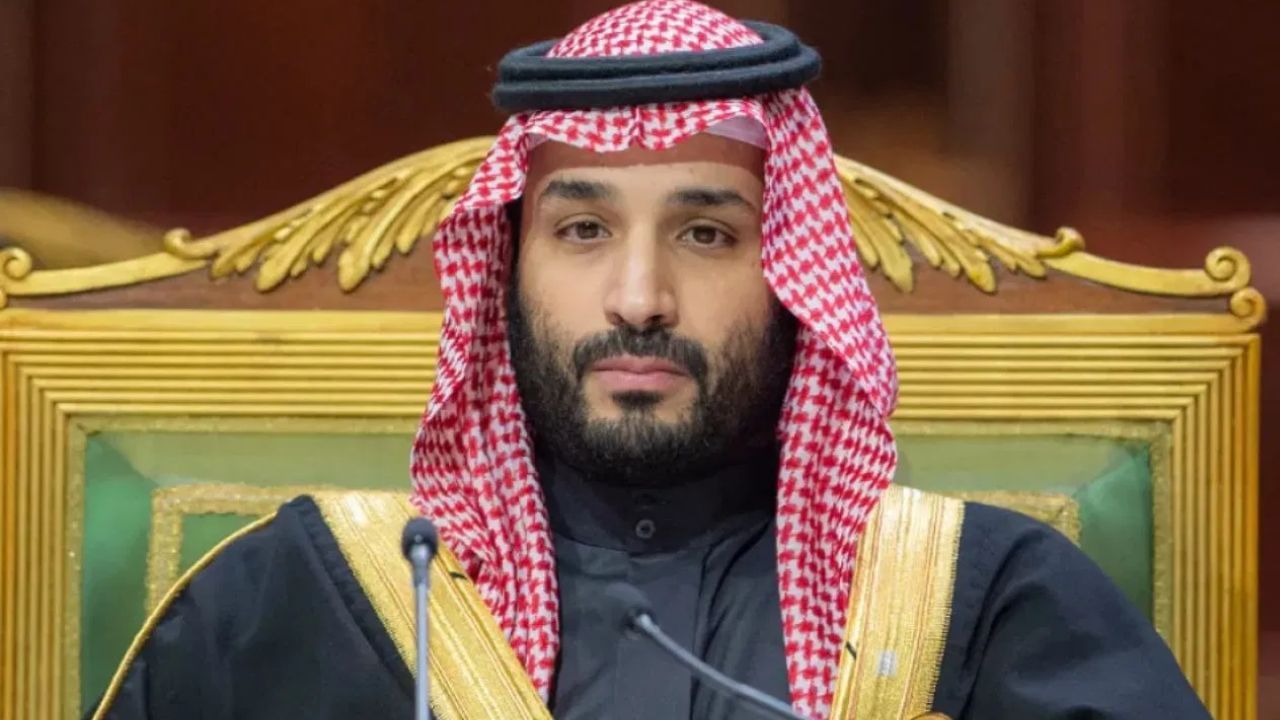
Mohammed bin Salman, the Crown Prince of Saudi Arabia, is arguably the most powerful individual in the Arab world, controlling much of the kingdom’s affairs. His ascent to this position was a result of a series of strategic moves. After the passing of King Abdullah in January 2015, King Salman assumed the throne and first appointed Muqrin as Crown Prince.
King Salman later replaced Muqrin with his nephew, Mohammed bin Nayef, as the new Crown Prince. Soon after, Mohammed bin Salman (MBS), the King’s son, was appointed Deputy Crown Prince and Minister of Defense. At 29, MBS was relatively new to the political scene, but he immediately started to strengthen his position within the King’s close circle as Defense Minister.
MBS is said to have distanced King Salman from his trusted advisors and family, even restricting the King’s access to his own wife. Allegedly, MBS confined his mother and sisters, misleading the King about their location.
As Defense Minister, MBS is believed to have initiated military operations in Yemen. While initially welcomed, the decision later drew criticism for the high number of civilian deaths.
Ultimately, King Salman decided to directly appoint MBS as Crown Prince, which required removing Mohammed bin Nayef. In June 2017, Nayef was summoned to the palace and detained. He was reportedly denied his necessary medication and pressured to resign. A poll among royal family members was conducted, with most supporting MBS’s elevation. Nayef eventually resigned.
Afterwards, a propaganda video was broadcast, portraying Nayef pledging allegiance to the King.
Following his resignation, Nayef was placed under house arrest, and his financial assets were frozen. Public accusations were also made against him to justify his removal.
Through this process, Mohammed bin Salman secured his position as the Crown Prince, now holding significant power throughout Saudi Arabia.