

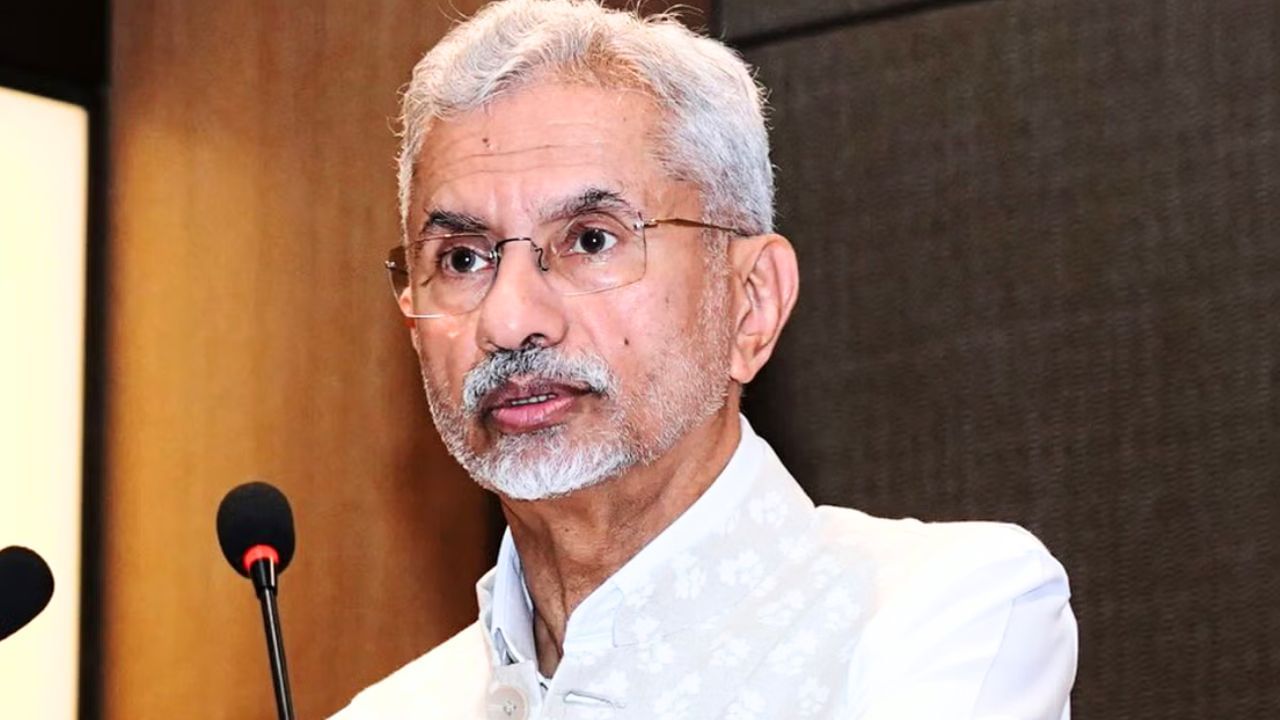
Foreign Minister S. Jaishankar has initiated a three-day visit to Moscow with the aim of bolstering the India-Russia partnership. The visit takes place amidst the backdrop of U.S. tariffs on Indian exports, including a 25% penalty related to the purchase of crude oil from Russia. The Ministry of External Affairs announced that Jaishankar will co-chair the 26th session of the India-Russia Inter-Governmental Commission on Trade, Economic, Scientific, Technological, and Cultural Cooperation (IRIGC-TEC) on Wednesday. This session, in collaboration with Russian Deputy Prime Minister Denis Manturov, is designed to help prepare for President Vladimir Putin’s visit to India later this year.
Discussions between Jaishankar and his Russian counterpart, Sergey Lavrov, are anticipated to cover the latest developments in the Trump administration’s efforts to achieve peace in Ukraine. The Ministry of External Affairs stated that the visit will include a review of the bilateral agenda and a sharing of perspectives on regional and global issues. The purpose of this visit is to reinforce the long-standing and uniquely strategic partnership between India and Russia.
It’s anticipated that the Moscow visit will also include discussions on India-Russia energy relations. The U.S. has imposed an extra 25% tariff on Indian goods as a consequence of India’s consistent purchase of Russian oil. India has consistently justified its crude oil purchases from Russia, emphasizing that its energy procurement decisions are based on national interests and market dynamics.
After Western countries imposed sanctions and disrupted supplies following the February 2022 invasion of Ukraine, India started purchasing Russian oil at discounted rates. Consequently, Russia’s share of India’s total oil imports significantly increased, rising from 1.7% in 2019-20 to 35.1% in 2024-25, which now makes Russia India’s primary oil supplier.
Last July, Prime Minister Narendra Modi visited Moscow and informed Putin that the Ukraine conflict cannot be resolved on the battlefield and peace efforts were unlikely to succeed during active combat. The following month, Modi visited Kyiv and urged President Volodymyr Zelenskyy to engage in prompt dialogue with Russia to end the war.