

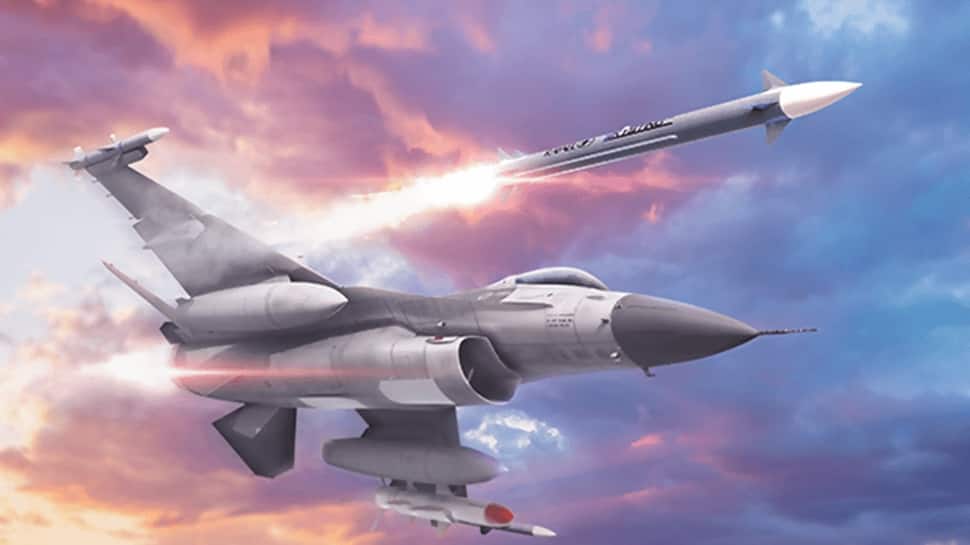
India’s indigenous HAL Tejas Mk1A fighter jet is poised for a significant upgrade in its combat radius thanks to an offer from Israel’s RAFAEL Advanced Defense Systems to integrate its Sky Sting Beyond Visual Range Air-to-Air Missile (BVRAAM). With an impressive engagement range extending up to 250 kilometers, the Sky Sting is designed to significantly enhance the Tejas’s ability to engage distant threats, including potentially outmatching adversary weapons like China’s PL-15. This development marks another milestone in the growing strategic defense partnership between India and Israel.
Sources from the Israeli defense sector indicate that the integration of the Sky Sting with the Tejas Mk1A is expected to proceed swiftly, possibly within an 18-month timeframe. This speed is attributed to the Tejas Mk1A’s modern systems, such as its ELM-2052 Active Electronically Scanned Array (AESA) radar and Digital Flight Control Computer (DFCC). The integration is projected to require only a limited number of live-fire tests to achieve full operational clearance. RAFAEL reportedly presented this advanced missile solution during high-level meetings in Tel Aviv in July 2025, also extending the integration offer to India’s Su-30MKI fighters. Initial deliveries of 200-300 missiles could materialize by mid-2026.
The Sky Sting missile itself is a state-of-the-art weapon, weighing approximately 180-200 kilograms. It features a three-stage rocket motor system, ensuring sustained high-speed flight and extended reach. Guidance is managed through GPS and inertial navigation for the initial phase, transitioning to an active RF seeker for terminal guidance. A critical operational advantage is its two-way data link, allowing pilots to modify target parameters mid-flight. The missile carries a potent high-explosive warhead engineered to neutralize enemy aircraft, even under challenging electronic warfare conditions. The planned operational timeline includes captive flight trials within six months, followed by live testing, with an anticipated entry into service by mid-2027. This strategic addition will undoubtedly enhance India’s air dominance capabilities.