

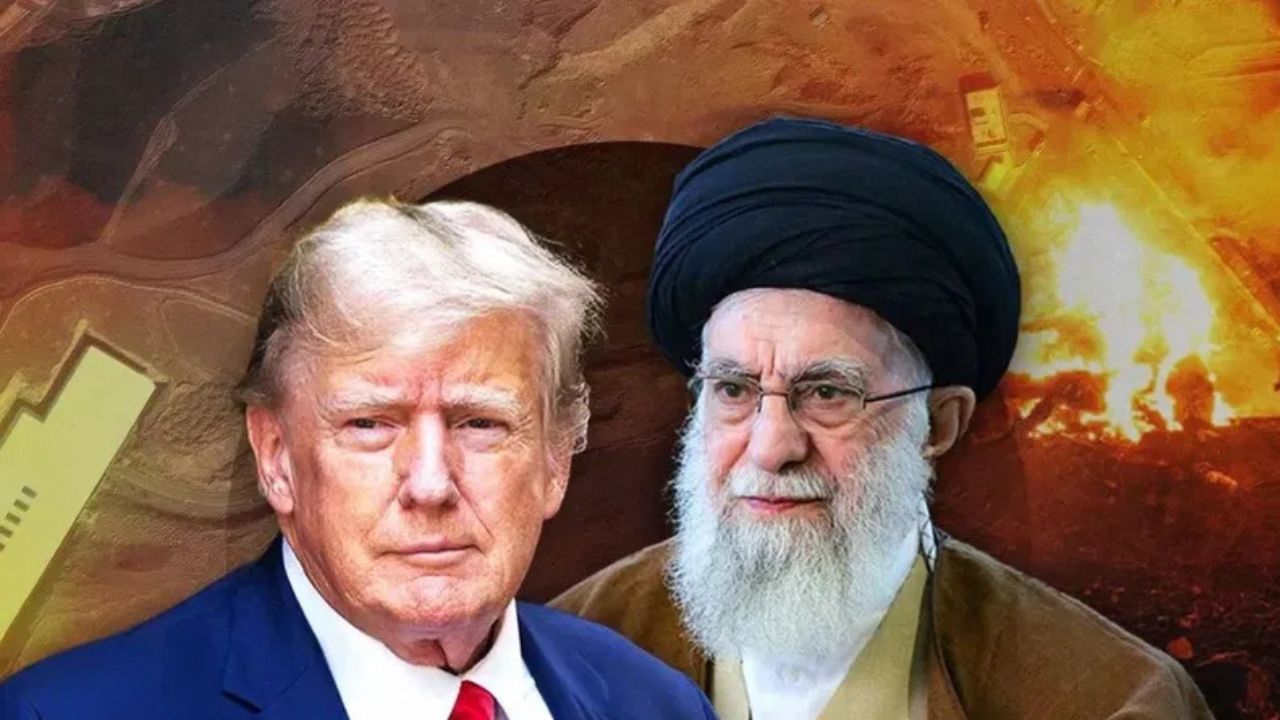
As tensions escalate in the Middle East following a recent period of conflict, Iran is asserting that the United States is unlikely to initiate another military attack. The assertion is based on the belief that the US is wary of the economic consequences and the perceived risks associated with engaging in another military campaign.
The core of the issue is the ongoing dispute over Iran’s nuclear program. The US is pressuring Iran to cease its uranium enrichment efforts, but Iran has remained firm in its commitment to continuing the program. This disagreement has led to threats of military action from the US and Israel.
Ali Saeedi, a close advisor to Iran’s Supreme Leader Ali Khamenei, has suggested that the US is constrained from military action. He stated that the US is afraid of Iran’s strength and the potential for oil prices to surge to $150 per barrel. The potential for economic fallout is therefore a major factor in deterring a US strike.
Larijani, a high-ranking Iranian official, has signaled openness to dialogue with the US, but only if those talks aim to achieve a genuine solution to the existing issues. If the discussions are merely a prelude to a future conflict, Iran would not participate.
International dynamics also influence the situation. The possibility of renewed conflict and the potential disruptions it could cause have global implications. The Strait of Hormuz, a critical waterway for the global oil trade, could be closed by Iran, significantly impacting oil prices worldwide. There are warnings from France, the UK, and Germany that UN sanctions will be re-imposed on Iran if nuclear talks don’t restart and produce tangible results before the end of August.
Iran has maintained that its nuclear program serves peaceful purposes and denies any intention of developing nuclear weapons. The ongoing situation is a mix of geopolitical complexities, nuclear ambitions, and economic concerns.