

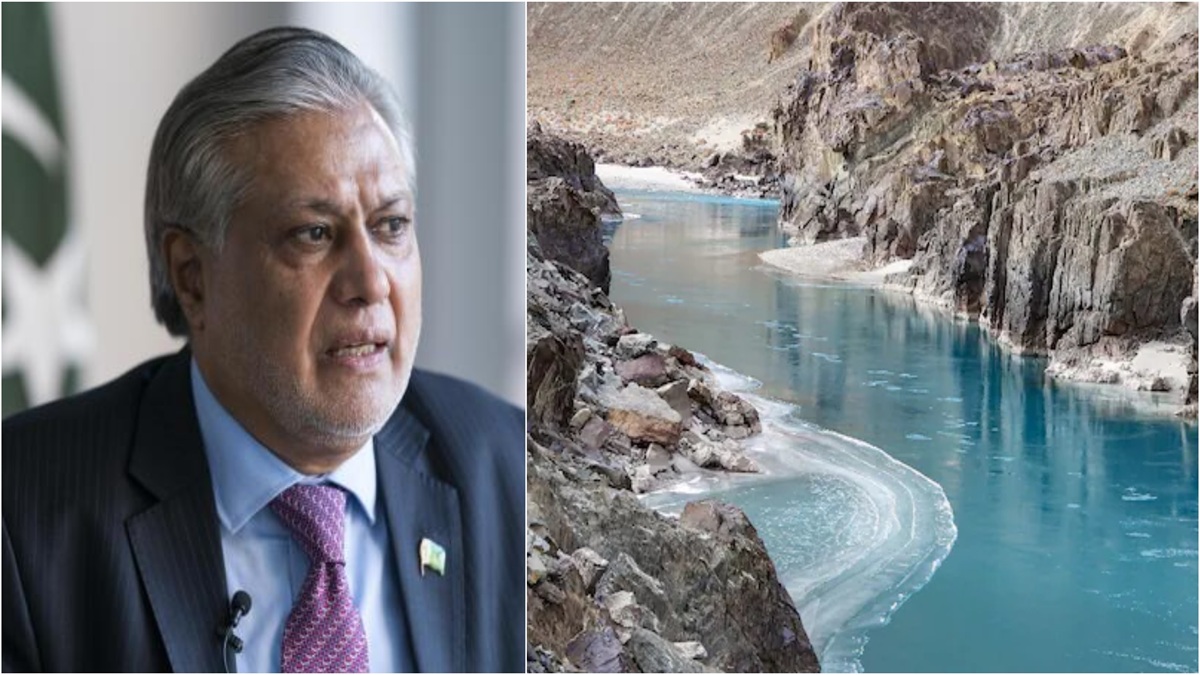
An acute water and food emergency is unfolding in Pakistan following India’s decision to suspend the 1960 Indus Waters Treaty. This significant development, occurring in the wake of the Pahalgam terror attack, has prompted Deputy Prime Minister Ishaq Dar to issue a dire warning about the potential for widespread starvation and death among Pakistan’s population.
The suspension of the treaty, a cornerstone of bilateral water management, has led to immediate and severe disruptions in Pakistan’s water supply. Dar has condemned India’s actions as a deliberate attempt to weaken the treaty, labelling them “physical violations” that imperil regional peace and international accords. Pakistan has been experiencing significant water stress since April, following India’s punitive response to the terror incident.
The context for India’s move was the terrorist attack on April 22 in Pahalgam, where 26 Indian civilians were killed. India’s comprehensive response included suspending the Indus Waters Treaty and launching “Operation Sindoor,” which effectively dismantled terror infrastructure and eliminated over 100 militants.
Dar further contended that India’s alleged actions are creating dangerous climatic and hydrological imbalances, leaving Pakistan vulnerable to severe floods and crippling droughts. He emphasized that the diminishing water resources in the Indus basin pose a direct threat to the survival of millions. The Pakistani leadership’s strong rhetoric suggests a growing desperation as the nation confronts a critical water crisis.