

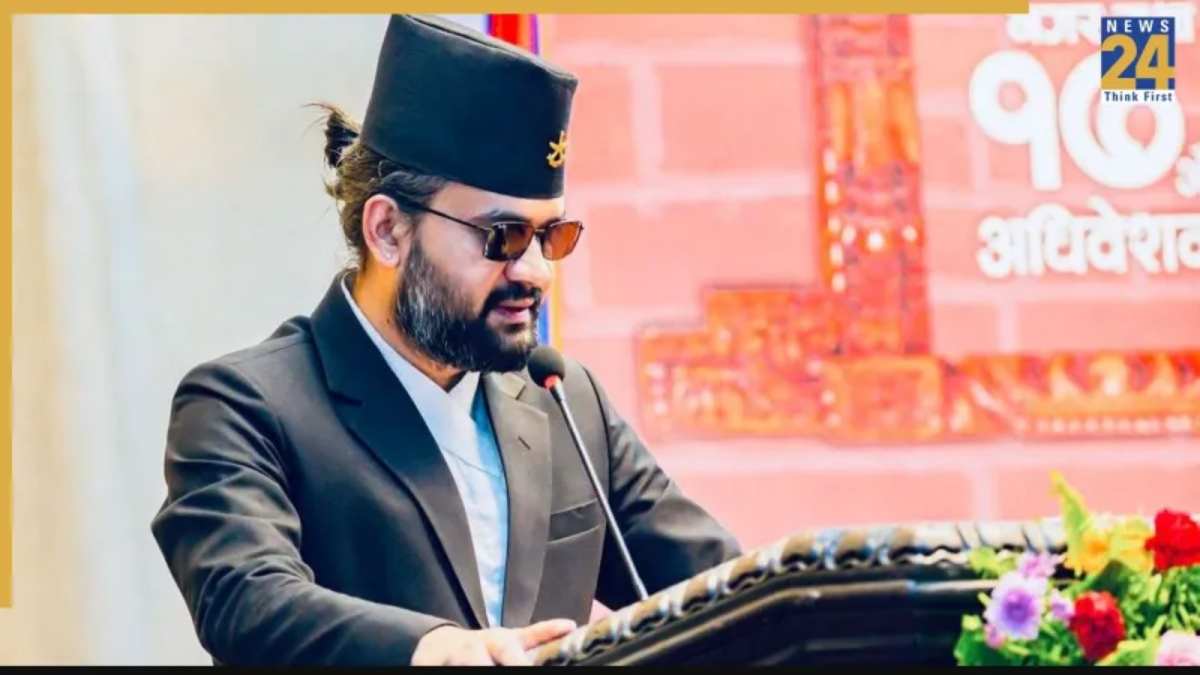
As Nepal grapples with protests, led by Gen Z, over social media restrictions and corruption, Kathmandu Mayor Balendra Shah has emerged as a central figure. His actions and public statements have branded him as a voice of nationalism, thereby challenging India’s influence in Nepal. His opposition to Indian films and criticism of KP Sharma Oli have further underscored this perception.
Shah’s embrace of ‘Greater Nepal,’ notably through the map displayed in his office, which challenges India’s territorial claims, is a notable expression of his stance. With his rising popularity among Nepal’s youth, Shah is a potential leader whose actions could have significant implications for India. Shah’s support for Gen Z and his calls for the government’s resignation have cemented his position as a key player.
The controversy surrounding the Hindi film ‘Adipurush’, in which he took a hard stance, exemplifies his political strategy. He has implemented city-wide reforms. His success with Kathmandu’s residents, and the recognition he’s received, place him in a pivotal position. The key question is whether Shah, if he becomes Nepal’s Prime Minister, will be an ally or a threat to India. If he leans left, it could lead to actions against India’s interests. The long-standing and complicated treaty could be the most impactful matter between these two countries. The situation in Nepal demands careful consideration from India, to ensure the stability and positive relations. Given that there have been 30 governments in 35 years, a stable leadership is necessary for Nepal.