

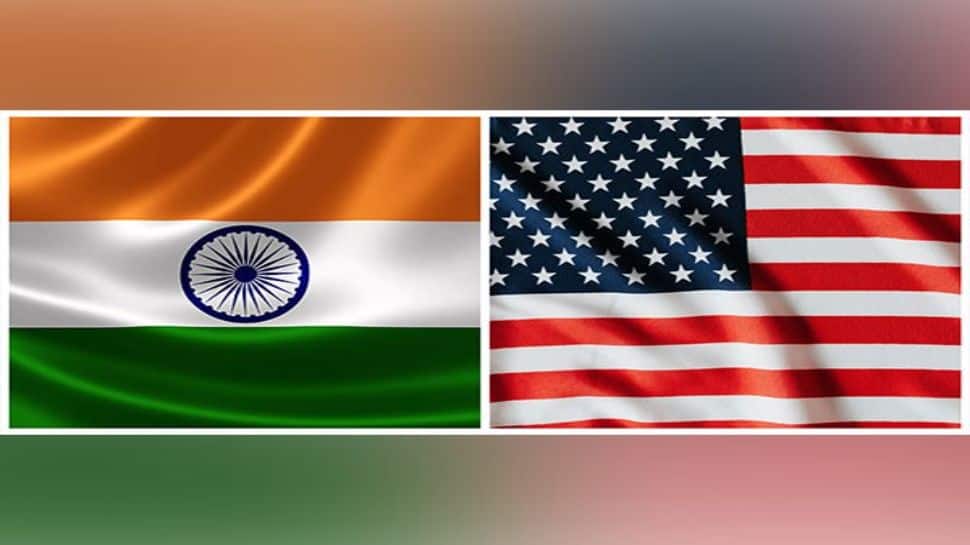
India and the United States are reportedly on the verge of a significant trade agreement that could drastically reduce US tariffs on Indian exports. Current US tariffs on many Indian products can be as high as 50%. If finalized, this deal is expected to bring these rates down to between 15-16%, offering a substantial economic advantage to Indian exporters. The agreement, long in the making, is now progressing rapidly, driven by advancements in energy cooperation and agricultural access talks.
Chief Economic Advisor V. Anantha Nageswaran has expressed strong confidence that a resolution to the punitive tariffs imposed by the US administration is within reach. He anticipates that the additional 25% punitive tariffs could be eliminated in the coming months, alleviating a major challenge for Indian exporters. Nageswaran also confirmed that negotiations on reciprocal tariffs are ongoing, with the possibility of reducing the 25% levies to the anticipated 15-16% level. This outcome would be a cause for significant celebration within India’s trade sector.
In the fiscal year 2024-25, India exported $86.51 billion worth of goods to the United States, its largest market. While the impact of existing tariffs was somewhat contained this year due to prior export volumes, sustained high tariffs could have resulted in a 30% reduction in exports next year, posing a severe threat to India’s export-dependent economy. This trade deal aims to preempt such an economic downturn.
Energy strategy is a central element of the proposed pact. There are indications that India may gradually decrease its crude oil imports from Russia as part of its broader economic cooperation with Washington. These Russian oil purchases had previously triggered the imposition of the 25% punitive tariff. Currently, India sources approximately 34% of its crude oil from Russia and about 10% from the United States. The agreement could lead to India permitting ethanol imports and reducing its Russian crude intake, in return for energy trade concessions from the US. This could encourage Indian public oil companies to diversify their crude oil sourcing to include US supplies. The shrinking price gap between discounted Russian crude and benchmark oil prices makes US and Middle Eastern crude more competitive.
The trade pact also includes provisions for agricultural trade, with India potentially increasing market access for US non-GMO corn and soymeal. This is particularly relevant as US agricultural exporters seek new markets following significant reductions in Chinese corn imports. India could emerge as a major buyer for American agricultural products.
Recent high-level discussions, including a phone call between US President Donald Trump and Prime Minister Narendra Modi, heavily featured energy. President Trump later stated that Prime Minister Modi had assured him that India would limit its oil purchases from Russia. Prime Minister Modi acknowledged the call, referring to it as “constructive engagement” and expressed his appreciation for the outreach on social media.
While official confirmations from the Ministry of Commerce and the White House are still pending, reports suggest that a formal announcement of the trade deal might occur around the time of the ASEAN Summit. If concluded, this agreement represents a significant shift in India-US trade dynamics, influencing tariffs, bolstering agricultural trade, and signaling a new phase of strategic energy alignment.