

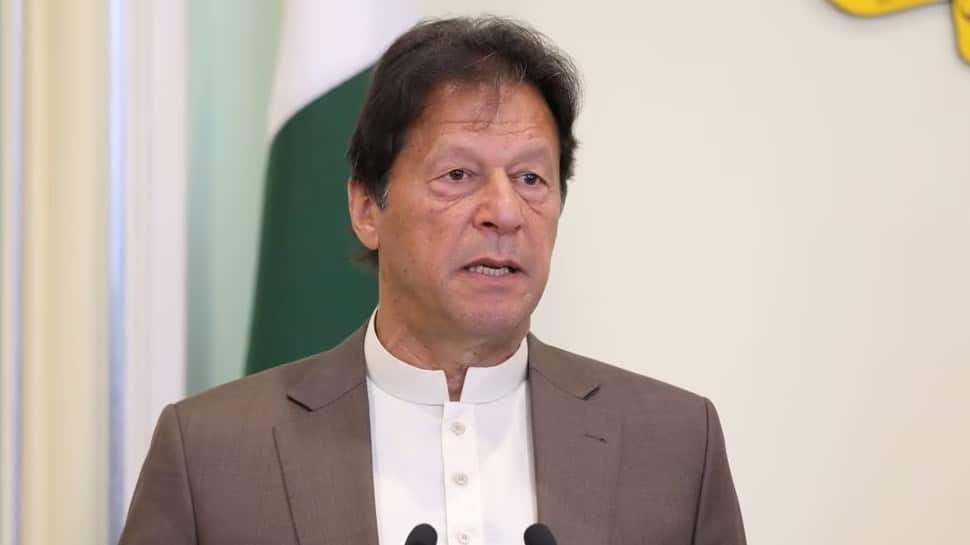
Imran Khan, the former Prime Minister of Pakistan and prominent leader of the Pakistan Tehreek-e-Insaf (PTI), remains in custody, grappling with a series of significant criminal cases. These include serious allegations of corruption and offenses involving state secrets. Detained since August 2023, Khan has faced multiple convictions, with numerous other legal proceedings ongoing. Unverified claims of his death in jail have surfaced but lack any official corroboration.
A pivotal conviction occurred earlier this year when Khan was sentenced to 14 years in prison for his alleged role in the Al-Qadir Trust corruption scandal. His wife, Bushra Bibi, was also convicted in the same case. The central accusation is that the couple illicitly benefited from a real estate mogul’s transfer of land to their charitable trust under dubious circumstances. This significant verdict was delivered within the prison complex in Rawalpindi where Khan is held.
The high-profile State Secrets Case, often referred to as the Cipher Case, had previously resulted in a 10-year prison sentence for Khan. He was accused of mishandling a classified diplomatic cable, with prosecutors claiming he used confidential information for political purposes. While a subsequent court ruling overturned this conviction, the case continues to be a politically charged and recurring subject in legal and parliamentary spheres.
Additionally, Khan faces charges stemming from the nationwide protests and violence that occurred on May 9, 2023, which included an attack on Pakistan’s Army General Headquarters (GHQ). He is accused of inciting these riots and encouraging his followers to defy the military establishment. Reports indicate that the prosecution is nearing the conclusion of its arguments in this case, which could lead to further legal penalties.
Beyond these prominent legal battles, Khan is subject to dozens of other charges alleging corruption, misuse of power, and financial misconduct during his prime ministerial term. The continuous filing of new cases, even while he is imprisoned, demonstrates the ongoing and complex legal challenges he faces.
Imran Khan and the PTI vehemently argue that these prosecutions are politically motivated, intended to eliminate him from Pakistan’s political scene. They contend that restricted legal access, limited media coverage, and trials conducted inside prisons are manifestations of political maneuvering by powerful institutions.
In contrast, the Pakistani government and judiciary maintain that legal procedures are being followed rigorously and that accountability applies to everyone, including former leaders.
Legal analysts suggest that the Al-Qadir Trust conviction represents the most formidable obstacle to Khan’s political comeback, due to its substantial prison term and the resulting disqualification from public office. However, the potential for appeals, evolving legal interpretations, and growing public pressure indicate that his legal destiny remains very much undecided.
For his loyal supporters, Imran Khan stands as a potent symbol of defiance. For his critics, he must be held accountable for his decisions while in office. For Pakistan, the implications of these protracted legal struggles are far-reaching, influencing the nation’s governance, stability, and the critical balance between civilian authority and military influence.