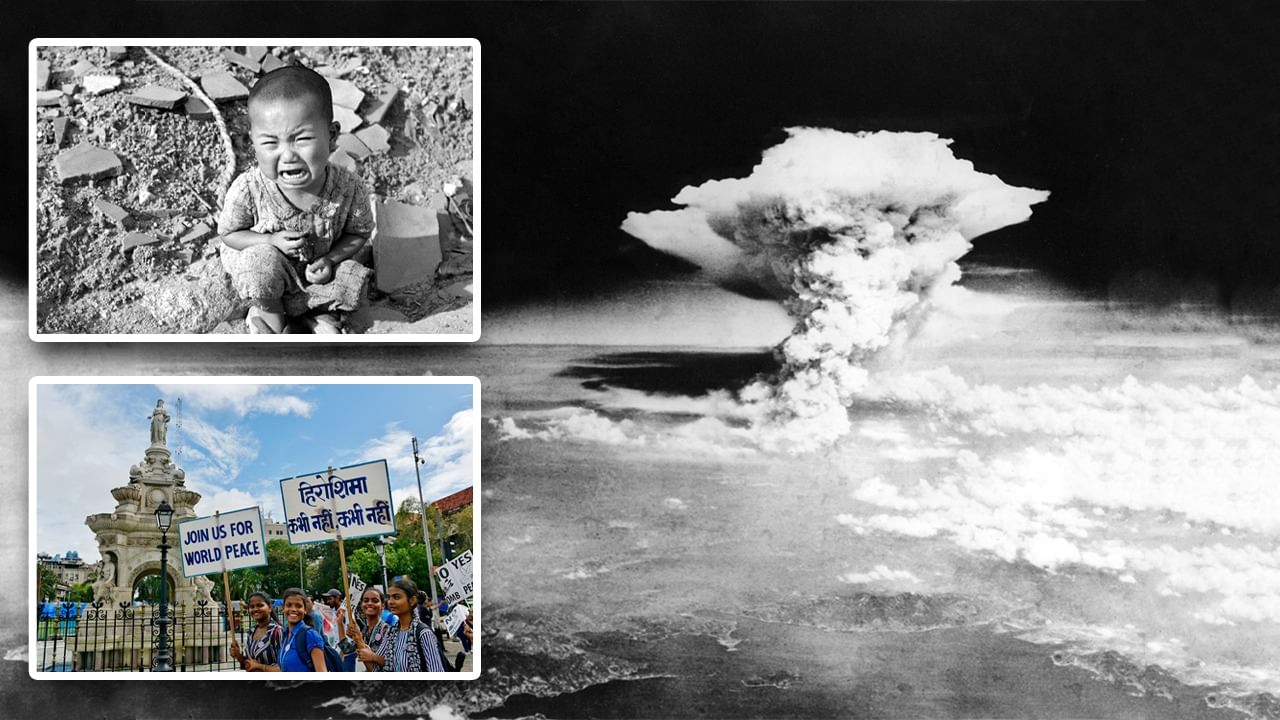

Eighty years after the atomic bombing of Hiroshima, the world confronts the ever-present threat of nuclear war. The attack on August 6, 1945, marked a turning point in human history, bringing an era of unprecedented destruction and suffering. The devastation was immediate, with the city reduced to rubble, and the long-term consequences, including radiation sickness, continued to claim lives for decades. Today, the risk of nuclear conflict looms large. The proliferation of nuclear weapons and escalating global tensions create a dangerous environment. Experts warn that a modern nuclear attack could have catastrophic consequences. The potential for widespread death and destruction, a disruption of the Earth’s climate system leading to dramatic temperature drops and reduced sunlight, and widespread famine pose a significant threat. The possibility of targeting nuclear facilities could result in catastrophic radioactive contamination, further exacerbating the human and environmental toll.