

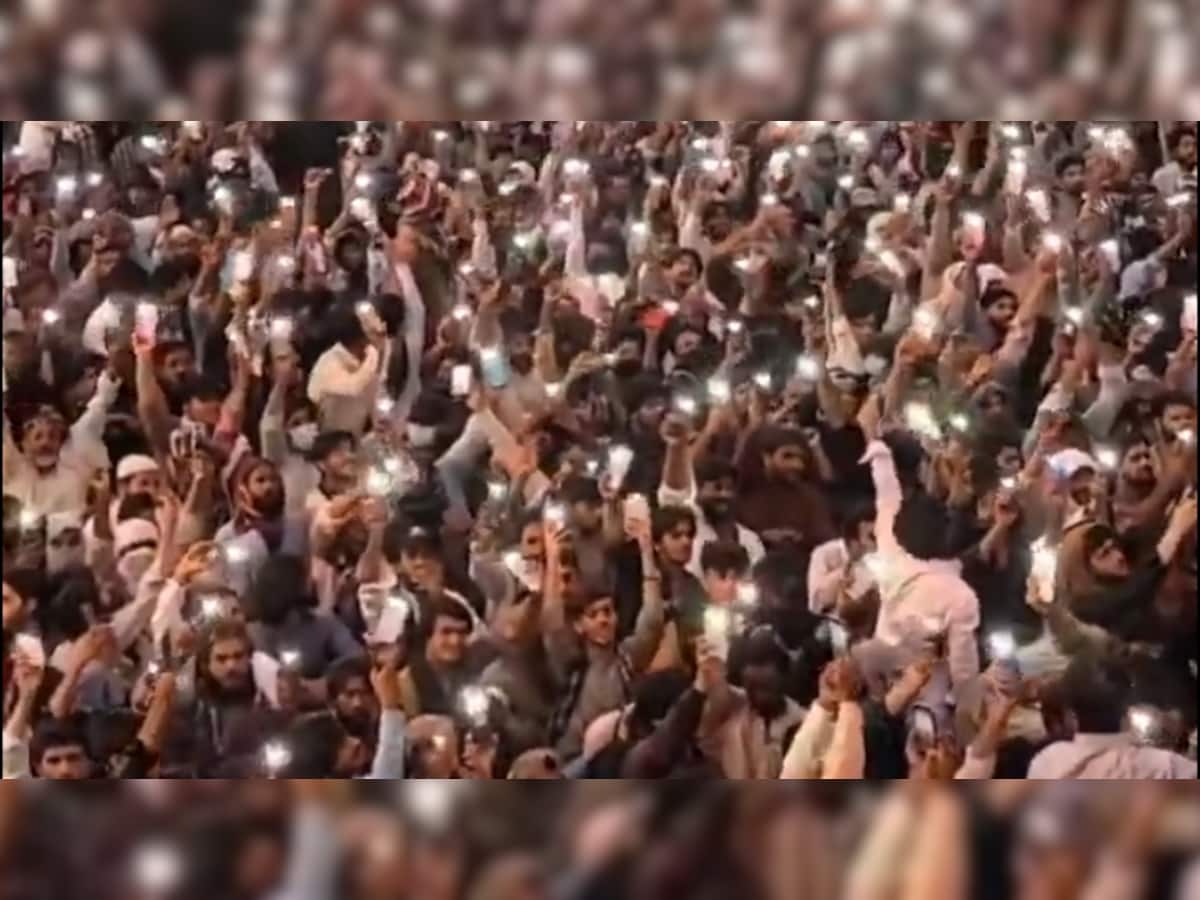
A dire wheat shortage is currently plaguing Gilgit-Baltistan, causing significant hardship and sparking widespread anger directed at Islamabad. Every morning, long queues form outside ration shops as residents wait for subsidized wheat, a critical food item during the harsh winter. For several weeks, this essential grain has been difficult to obtain, leaving families in Gilgit, Skardu, Hunza, and other communities anxious about their ability to prepare basic meals.
Local traders confirm a dramatic rise in market prices for wheat, pushing this staple food beyond the financial reach of many. Residents are increasingly voicing their belief that the shortage is not a matter of chance but a consequence of deliberate neglect. Many community groups argue that Gilgit-Baltistan, which already lacks political representation and rights, is also systematically denied timely access to necessary resources. “Whenever resources become scarce, this region is the first to suffer and the last to recover,” a shopkeeper in Skardu remarked, reflecting a long-standing grievance.
The food crisis is unfolding alongside severe and persistent electricity outages that disrupt daily life across the region. Essential businesses that depend on reliable power for refrigeration and heating are struggling to operate. Students face considerable challenges in studying for exams, often by candlelight, a stark reality for a region that contributes significantly to Pakistan’s hydropower production.
Many residents attribute these ongoing issues to the governance model imposed by Islamabad. Gilgit-Baltistan remains outside Pakistan’s constitutional framework, lacking representation in the National Assembly or Senate and without access to the Supreme Court. This means key decisions regarding land, water, and revenue are made in the federal capital, leaving local communities with minimal say in their region’s affairs. There is a growing perception that the region’s resources are exploited while its needs are neglected.
Civil society organizations emphasize that the wheat shortage could have been prevented with earlier action by federal authorities. Despite repeated warnings from local administrations about dwindling supplies, residents claim that officials offered only standard reassurances and blamed transportation delays. The deepening crisis has led to street protests, with citizens demanding the restoration of subsidized wheat supplies and accountability for the erratic distribution.
Protesters frequently draw parallels between the current food crisis and what they perceive as Islamabad’s broader policy approach towards the region. This includes land acquisitions for infrastructure projects without transparent compensation, electricity generated locally being exported while residents endure blackouts, and major development plans being implemented without local consultation. They argue these actions demonstrate a governance system that treats Gilgit-Baltistan as a peripheral territory, despite its strategic importance.
For the people of Gilgit-Baltistan, the immediate concern is securing enough wheat to survive the winter. With no clear plan forthcoming from Islamabad and winter intensifying, fears of the crisis worsening are high. Residents express their weariness with empty assurances, believing the recurring shortages reveal a deeper truth: a region rich in natural resources is struggling for basic food security due to its limited political influence in the corridors of power.