

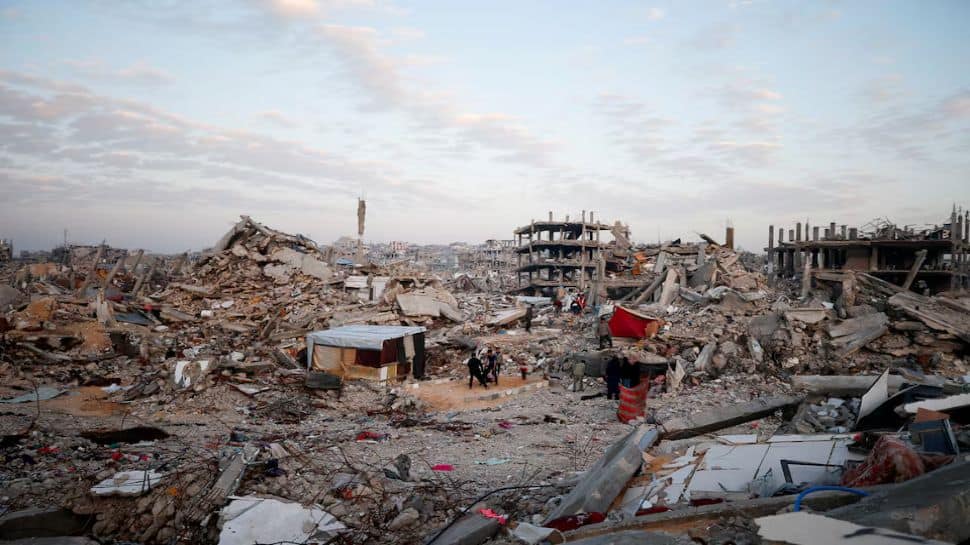
The critical issue of Gaza’s reconstruction is now at the center of a significant rift among Arab nations, particularly between Qatar and the alliance of Saudi Arabia and the United Arab Emirates. This dispute reveals conflicting agendas and a contest for influence over the territory’s future.
Saudi Arabia and the UAE are approaching Gaza’s ruins with a strategic mindset, seeing it as a chance to alter the Middle East’s power balance. Their conditions for financial aid are stringent: Hamas must disarm, and a new, legitimate governing body must be in place. Without these prerequisites, they have declared they will not fund any rebuilding efforts.
Qatar has adopted a humanitarian-focused stance, positioning itself as a vital lifeline for Gaza. The nation provided essential support, including food and shelter, and acted as a spokesperson for Gazans during challenging times. Doha is now urgently calling for immediate reconstruction and relief, warning that delays will exacerbate the suffering and contribute to regional instability. Qatar’s history of engagement with Hamas and its desire to maintain favor with the United States inform this position.
For Saudi Arabia and the UAE, the reluctance to commit substantial financial resources is driven by concerns over regional volatility. Public opinion in both countries also plays a role, with many citizens viewing Hamas as a destructive element rather than a legitimate resistance force. This perception reinforces their cautious approach.
Saudi officials have emphasized that reconstruction funds are tied to the transfer of governance to the Palestinian Authority or another internationally recognized entity. The UAE, already active in humanitarian aid, has suggested it might participate in a multinational security force if Hamas disarms. Abu Dhabi also desires reforms within the Palestinian Authority and a more influential role in its governance.
Qatar’s established role as a mediator and its hosting of Hamas leaders create a delicate diplomatic situation. Doha fears a loss of influence and maintains that rebuilding Gaza’s infrastructure is paramount to preventing further regional deterioration. This position has garnered positive attention from some in Washington, who value Qatar’s mediation capabilities. Even Israel has not entirely dismissed Doha’s potential involvement.
However, Riyadh and Abu Dhabi are skeptical, believing that Qatar’s approach would inadvertently strengthen Hamas. This disagreement was visibly demonstrated when Saudi and Emirati representatives did not attend a recent summit in Sharm el-Sheikh, Egypt. Gaza’s fate, once a rallying point for Arab unity, now starkly highlights Arab disunity, leaving the region’s population uncertain about the path forward amidst these competing national interests.