

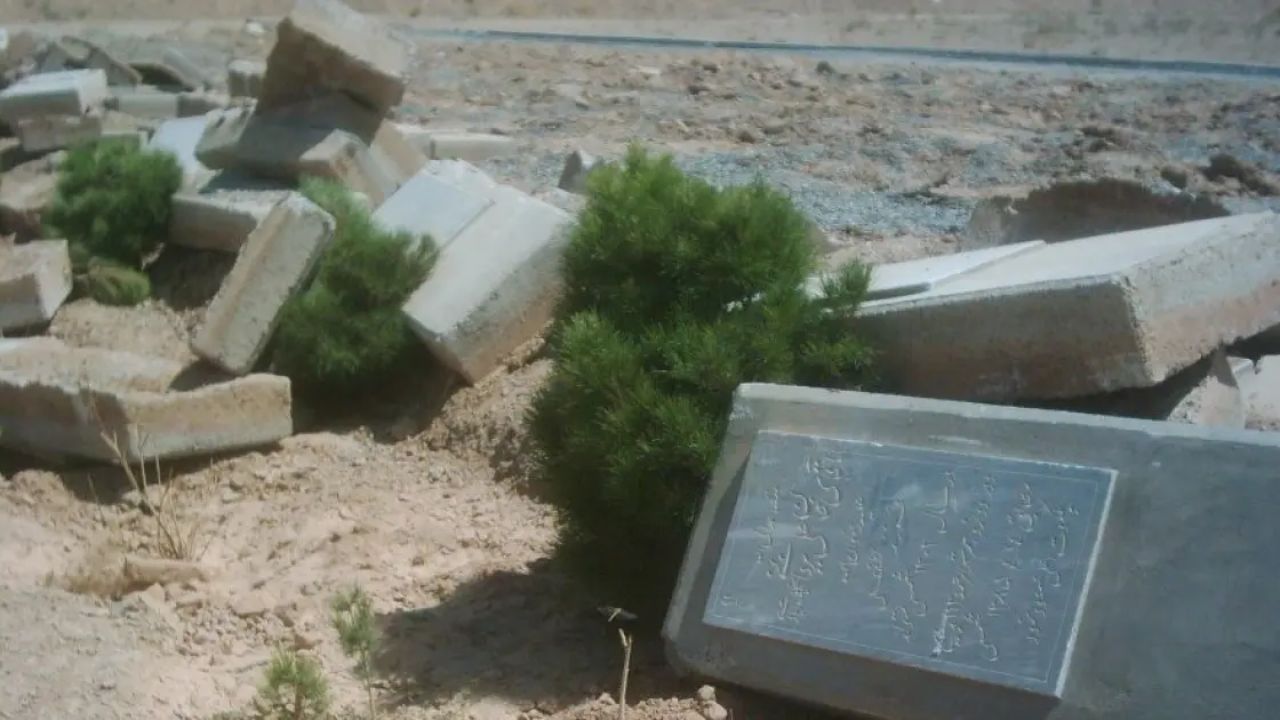
The Baha’i community in Qatar and Iran faces escalating governmental persecution. Human rights organizations report that Baha’is are being arbitrarily arrested, their properties confiscated, and subjected to lengthy prison sentences in these nations. These conditions are mirrored in Yemen, Bahrain, and Egypt.
The Baha’i faith, founded in the 1860s, promotes the unity of all religions and the inherent worth of humanity. In several Muslim countries, it is viewed with suspicion, in part due to its belief in a Persian founder, which differs from Islam’s belief in Muhammad as the final prophet.
In Qatar, the government’s actions include expelling Baha’is from the country, prohibiting the rebuilding of Baha’i cemeteries, and rejecting the validity of Baha’i marriage certificates. Additionally, Baha’i leaders are facing punishment for practicing their faith.
A notable case concerns Remi Rohani, a prominent member of the Baha’i community in Qatar. The 71-year-old was sentenced to five years in prison for posting Baha’i holiday greetings and sharing Baha’i teachings on social media; the court alleged he questioned Islamic teachings.
Rohani was also accused of collecting and transferring funds abroad without authorization, despite the government’s earlier awareness of these financial activities. His daughter, living in Australia, has called the verdict devastating and shocking.
The UN and human rights groups have condemned Qatar’s actions, asserting they violate religious freedom, which is a constitutional right in Qatar. However, the Baha’i community is still being targeted.
The situation in Iran is even worse. Baha’is are being arrested without any justifiable reasons. Keyhan Maghsoudi has been imprisoned in Urmia since June. Armaghan Yazdani’s detention in Shiraz has been extended, and Roxana Vojdani is under house arrest for two years.
Shahram Fallah, 64, was arrested in Kerman without facing any charges. Government agencies raided the homes and businesses of 10 Baha’i families in Isfahan. In Hamadan, six Baha’i women were given sentences, resulting in a combined 39-year term. In Tehran, Baha’i artist Paria Marandi was accused of protesting against the government and defaming religious beliefs.
Discrimination also exists within the educational system. Baha’i students in Iran are being denied access to universities, with their applications listed as under review, thereby preventing them from pursuing higher education. Last year, 129 Baha’i students faced a similar situation. It is reported that a covert government policy is in place to systematically exclude Baha’i students from education.
International organizations, including the United Nations, Amnesty International, and Human Rights Watch, have expressed concern that the persecution of the Baha’i community violates religious freedom. These events highlight how Baha’is in Qatar and Iran are penalized solely because of their faith, which is considered a violation of human rights.