

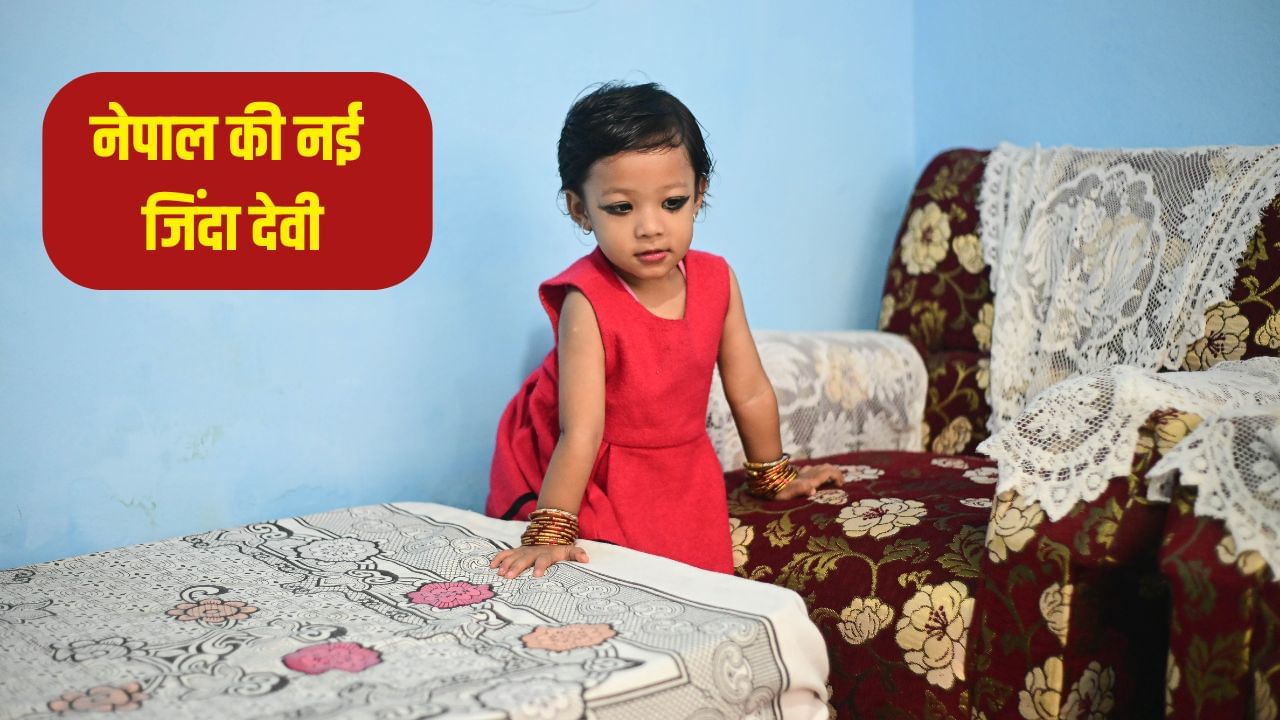
The tradition of selecting a Kumari in Nepal began in the 17th century, initiated by the Malla kings. The belief is that the spirit of the goddess Taleju (a form of Durga) resides within a young, unmarried girl. Typically, Kumaris are chosen from the Shakya or Bajracharya communities. The selection process involves a stringent evaluation of the girl’s physical characteristics and courage. Aryatara Shakya, who is now the Kumari, embodies this long-standing tradition, which sees the chosen girl as an incarnation of the goddess Taleju.
Their daily life is significantly different from other children, with limited interaction with the outside world and no formal schooling. The government provides home schooling and allows for television viewing. The tradition, deeply rooted in the Newari culture of Kathmandu, is honored during the major festivals of the country. The most challenging aspect of the selection is the test of courage conducted during the night of Kalratri, where the girl must remain fearless amidst terrifying rituals.