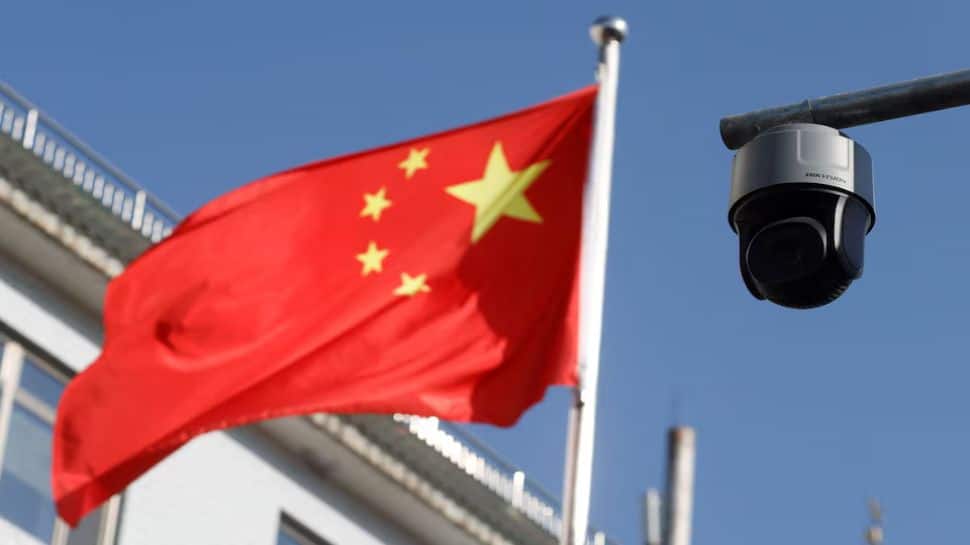

The Chinese state’s sophisticated control network extends far beyond its borders, with crackdowns on peaceful gatherings in cities like Shanghai amplifying fear and caution in Xinjiang, Tibet, and Inner Mongolia. Even minor incidents, such as the dispersal of quiet neighborhood meetings in cosmopolitan Shanghai, serve as potent reminders to ethnic minorities of the state’s unyielding stance against dissent. This ‘invisible web’ of control ensures that the message of intolerance resonates universally, reinforcing an already pervasive climate of fear among Uyghurs, Tibetans, and Mongolians. The underlying logic is that if peaceful assembly is deemed unacceptable in a major international city, it will be even less tolerated in regions historically viewed as ‘sensitive.’ This solidifies the understanding that any form of unapproved expression, no matter how localized or moderate, faces severe repercussions. A key element of this control is its subtle yet systematic implementation. Authorities often intervene early and quietly, with participants facing questioning or detention afterward. This lack of public confrontation amplifies the sense of unseen, omnipresent state power, mirroring long-standing surveillance practices in Xinjiang. When similar patterns emerge in Shanghai, it signals a unified national approach to civic control. Consequently, families with relatives in China report increased caution among them. This manifests in avoiding cultural and religious events, limiting contact with outspoken acquaintances, and exercising restraint online, even on private messaging apps. The fear of surveillance extends to social interactions, which can be misinterpreted as collective action. Nationwide, online monitoring intensifies following such incidents, further constricting information channels and isolating minority communities. Communication with the outside world becomes guarded, focused on neutral topics, and free from any local commentary. This erosion of personal safety compels minority groups to live with a constant sense of caution, where speech, movement, and association are tightly regulated by state expectations, ultimately narrowing their space for free and open living.