

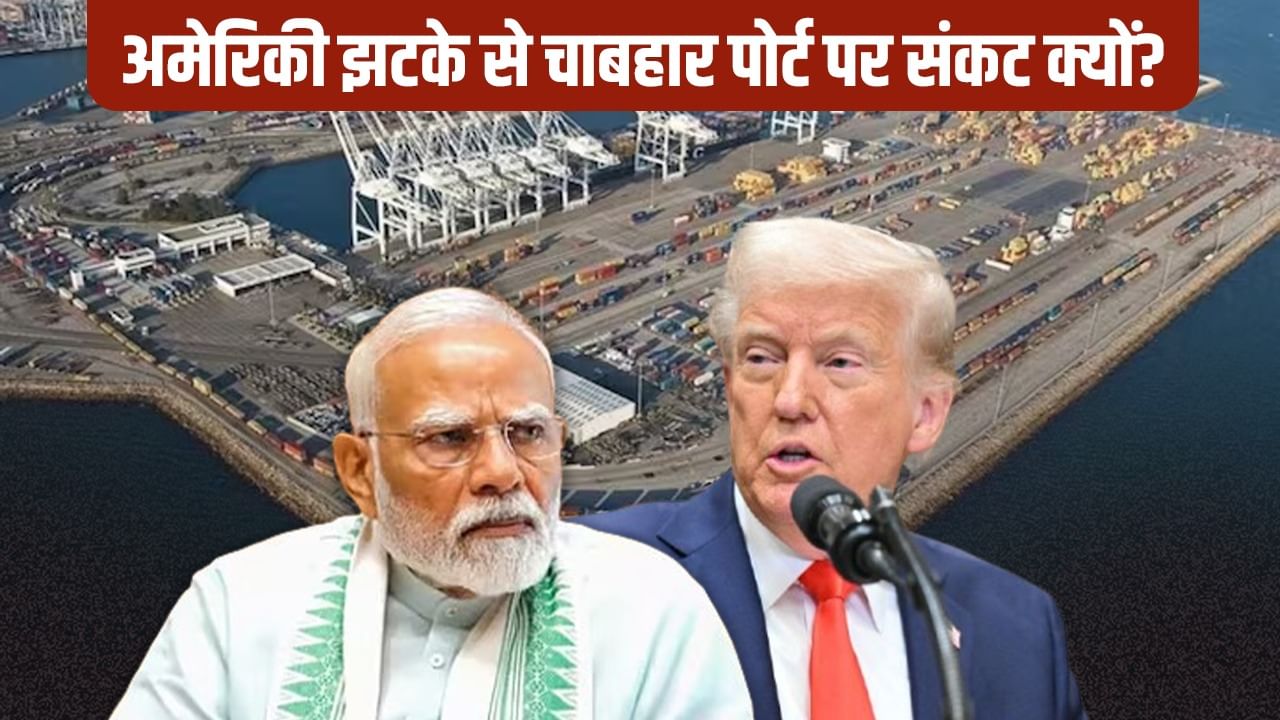
India’s strategic ambitions in the region have encountered a significant challenge due to recent developments concerning the Chabahar Port in Iran. This port was a critical component of India’s strategy to establish an independent trade route, bypassing Pakistan, and connecting with Afghanistan and Central Asia. This project was seen as a crucial element for enhancing India’s regional connectivity and trade leverage.
India’s investment in the development of Chabahar was a key part of this vision, aiming to integrate the port into the International North-South Transport Corridor (INSTC). This network was designed to link India with Russia and Europe, thereby reducing trade costs and transit times. However, the imposition of US sanctions on Iran has introduced considerable uncertainty, jeopardizing the future of the Chabahar project.
The US sanctions, which restrict trade with Iran, have created a complex situation for India. This move has significant implications beyond economic concerns, representing a strategic maneuver with far-reaching consequences. Here’s a closer look at the five major impacts:
### Erosion of Strategic Autonomy
Chabahar was critical to India’s efforts to circumvent Pakistan and ensure direct access to Afghanistan, giving India a reliable route. The current situation threatens this strategic advantage, potentially reintroducing older geopolitical challenges.
### Threat to Trade and the INSTC Corridor
The Chabahar Port was set to play a crucial role in supporting India’s ‘Make in India’ policy, boosting exports, and increasing trade. The INSTC was anticipated to dramatically reduce the cost and time of trade with Central Asia and Europe. However, the US sanctions have cast doubts on the future of this corridor, which could mean major financial losses for Indian companies and affect their ability to access key markets.
### Weakening India’s Position in Afghanistan
The port has enabled India to provide essential aid and commercial goods to Afghanistan. The US actions could undermine India’s position in Afghanistan, potentially affecting its soft power. India’s ability to support and interact with Afghanistan via Chabahar has been an essential part of its strategic policy.
### Advantage for China’s Gwadar Port
The China-backed Gwadar Port in Pakistan, just 100 km from Chabahar, stands to gain significantly from the US measures. Gwadar is a significant component of China’s ‘Belt and Road Initiative.’ The situation could strengthen Gwadar, potentially strengthening China’s economic influence in the region.
### Diplomatic Challenges and India’s Dilemma
India is now at a critical point in its foreign policy, balancing its strategic partnership with the US with its national interests. It needs to protect its interests, a difficult task. This situation underscores the complexities India faces in international diplomacy, needing a considered approach to protect its strategic and commercial interests.