

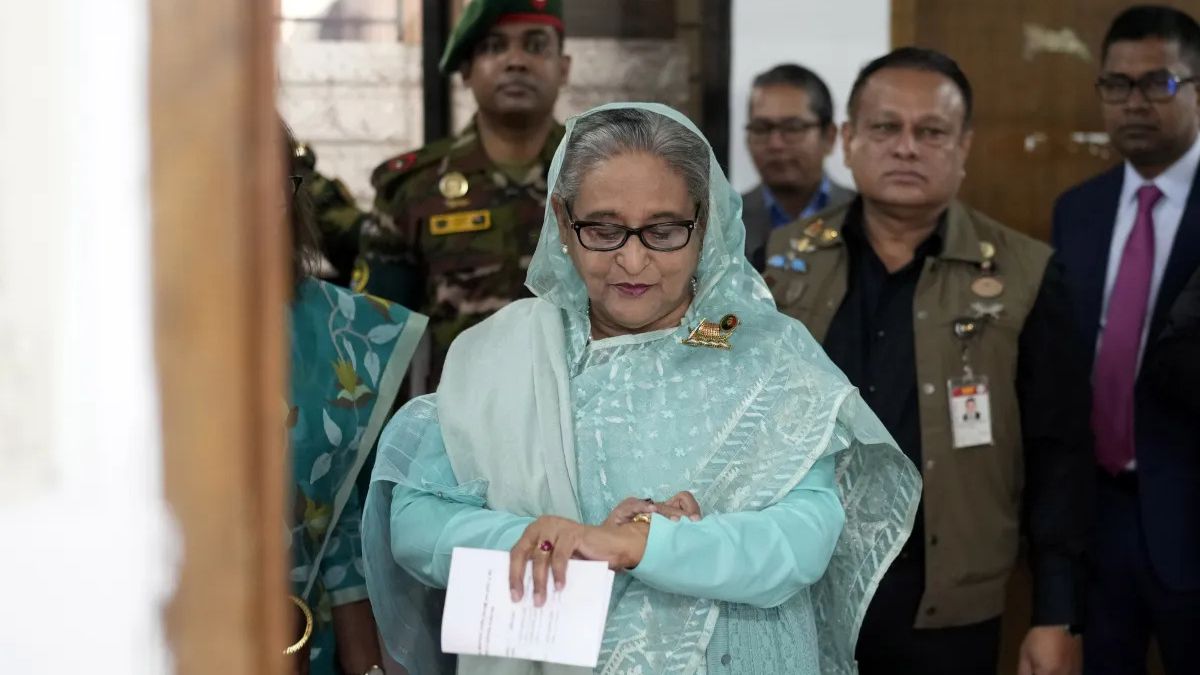
Bangladesh’s former Prime Minister Sheikh Hasina has strongly condemned her death sentence, handed down by the International Crimes Tribunal (ICT) for alleged crimes against humanity during the July-August 2024 unrest. Hasina described the verdict as evidence of ‘murderous intent’ by extremist figures operating within the country’s unelected interim government. She issued a statement calling the tribunal politically motivated and biased, aimed at eliminating her and undermining the Awami League.
Hasina challenged the tribunal’s human rights allegations, presenting a robust defense of her government’s performance. She emphasized a legacy of promoting human rights and development, citing the integration of Bangladesh into the International Criminal Court, its humanitarian support for Rohingya refugees, and significant progress in providing access to electricity, education, and economic opportunities. She highlighted a 450% GDP growth over 15 years, which lifted many from poverty, as proof of her administration’s commitment to the welfare of its citizens.
The ICT found Sheikh Hasina guilty of ordering a brutal crackdown on student protests, leading to the death sentence and the confiscation of her property. Former Home Minister Asaduzzaman Khan Kamal also received a death sentence for similar charges, while former Police Chief Chowdhury Abdullah Al-Mamun was sentenced to five years imprisonment. The trial concluded after several months, focusing on events from the previous year.
The student-led protests in mid-2024, initially protesting job reservation policies, rapidly escalated into a nationwide movement questioning Prime Minister Hasina’s leadership. The widespread demonstrations resulted in property destruction and clashes with authorities. Following the storming of her official residence by protesters, Hasina sought refuge in India. An interim administration, headed by Muhammad Yunus, has since taken control, banning the Awami League and proceeding with charges against Hasina in absentia.