

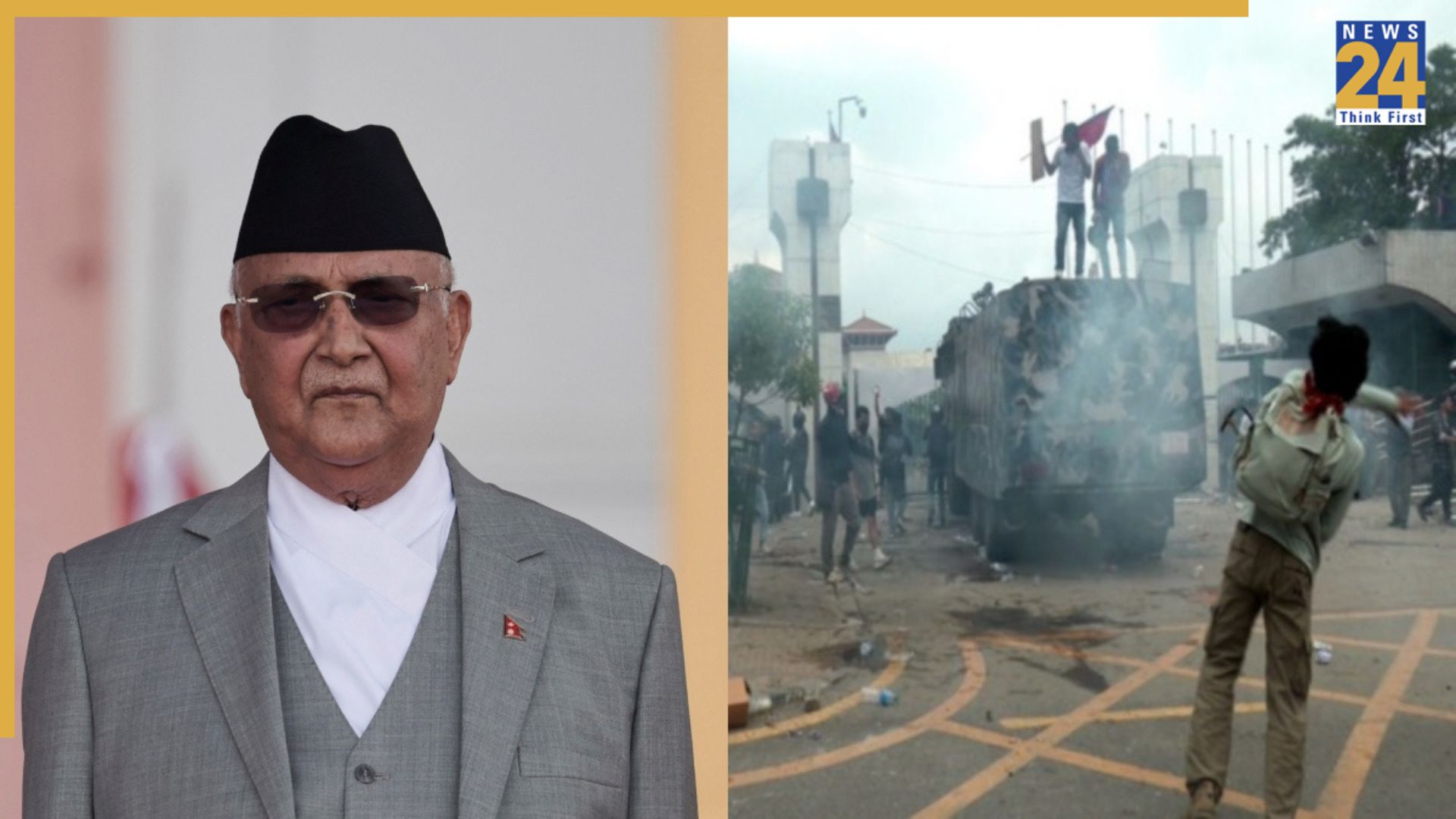
Following violent protests, the Nepalese government has lifted its ban on social media. The ban came after 19 people were killed during demonstrations against corruption and the government’s restrictions. An emergency cabinet meeting decided to end the ban, which the government had previously defended by citing non-compliance from social media companies.
Prime Minister KP Sharma Oli issued a statement after the killings, placing blame on “infiltrating” groups. The Minister for Communication, Information and Technology, Prithivi Subba Gurung, confirmed that the Prime Minister would not resign. With the ban lifted, platforms like Facebook, YouTube, and X became accessible. The government had argued that the ban was to combat fake news, but rights groups criticized it as a censorship tactic. The protests, largely led by students, reflected broader issues such as economic hardship and corruption.
At least 19 deaths occurred in Kathmandu, with additional fatalities in Itahari. Security forces used live ammunition and tear gas during the protests. The embassies of several countries issued a joint statement expressing their sorrow and support for human rights. They called for restraint and the protection of fundamental rights. The United Nations Human Rights Office (UNHRO) also called for a prompt investigation.
The protests, organized against corruption and the social media ban, escalated due to allegations of excessive force by security personnel. The UN expressed shock and urged authorities to adhere to principles on the use of force. The UN also encouraged dialogue and a review of social media regulations to ensure compliance with human rights. The events underscore the increasing public discontent, particularly among young people, concerning government restrictions on digital platforms and perceived suppression of dissent.