

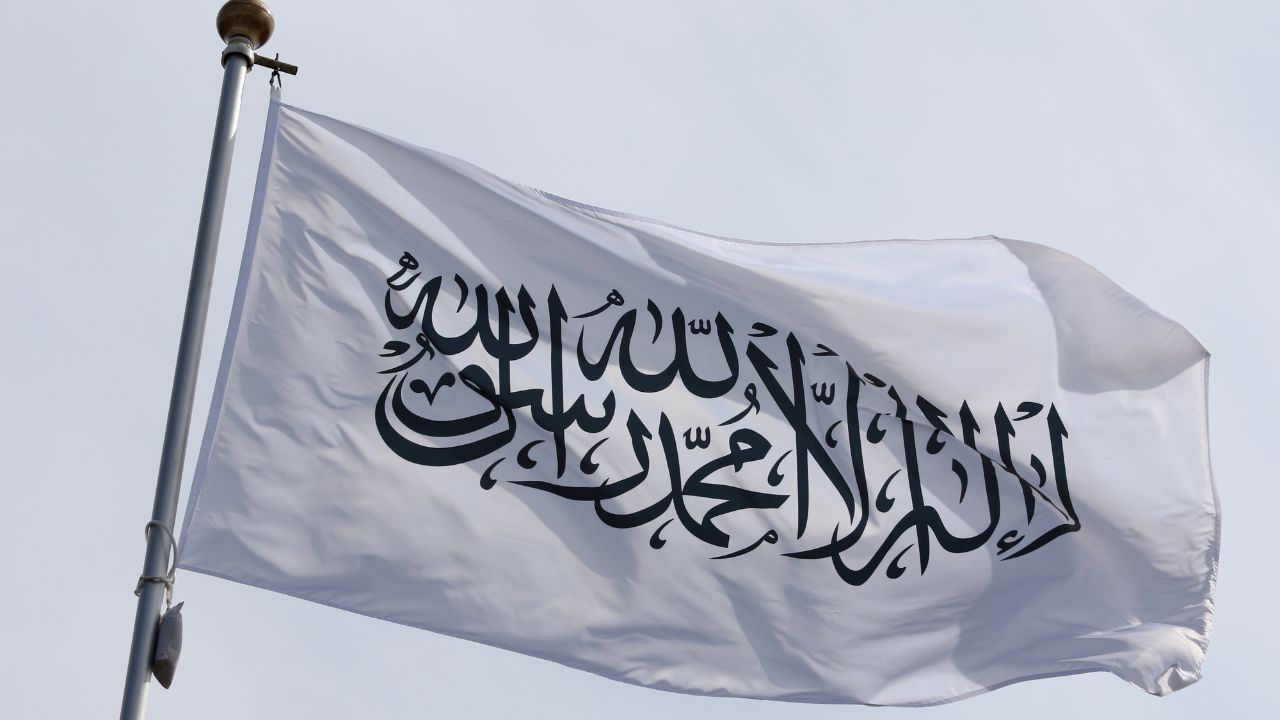
Four years into the Taliban’s governance of Afghanistan, the government’s policies continue to restrict the fundamental rights of women. Since taking control in 2021, the Taliban has prevented girls from attending middle school, high school, and university. Now, a new order has been issued that bans the education of girls and women in religious schools, or madrasas.
According to reports, this directive was issued by Hibatullah Akhundzada, the leader of the Taliban. Sources reveal that during a recent cabinet meeting in Kandahar, Akhundzada instructed the Ministry of Education and the Ministry of Higher Education to gradually close religious schools to women, starting with the discontinuation of graduation certificates.
This decision is reportedly a result of Akhundzada’s discovery that some religious schools were teaching not only Islamic studies, but also subjects like mathematics, science, and languages. The order has ignited a heated debate within the Taliban cabinet. Some ministers expressed their displeasure and stated they had hoped to open girls’ schools this year.
Many ministers presented verses from the Quran and Hadith that emphasize that education is important for both boys and girls. However, Hibatullah maintained his position by questioning why a young girl should study outside the home. He had also used this argument when universities were closed to girls.
The meeting became very contentious, with some Taliban leaders openly criticizing their leader. They argued that such actions would create internal divisions and invite more international opposition. Many people suspect that Akhundzada is intentionally weakening their government, possibly influenced by a foreign agenda.
The Taliban took control of Afghanistan on August 15, 2021, following the withdrawal of US forces, ending a 20-year war. After taking power, they implemented their strict interpretation of Sharia law, which imposed severe restrictions on women and girls, including the closure of education after the sixth grade, the elimination of employment opportunities, and restrictions on going outside the home. The United Nations, human rights organizations, and many countries have consistently criticized the Taliban’s actions, yet the situation has not improved.