

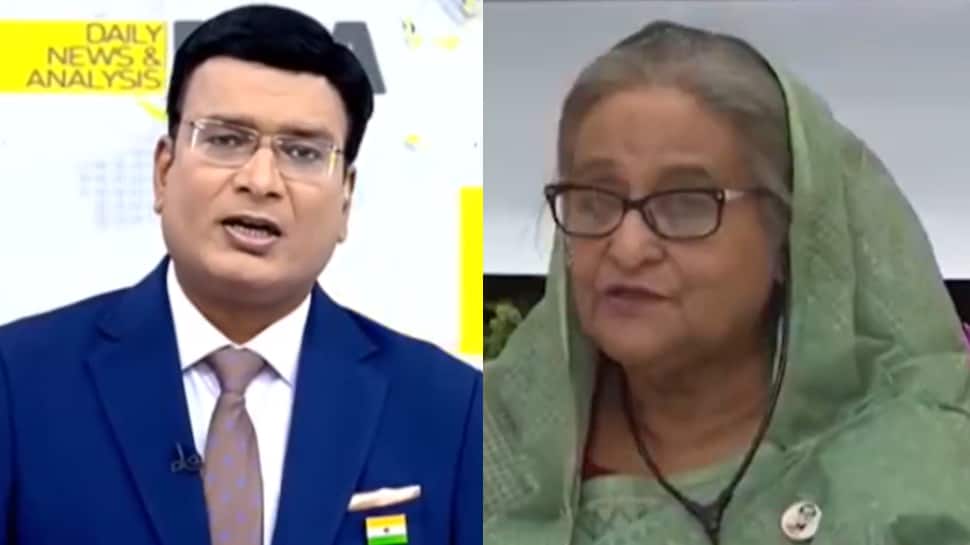
In a dramatic turn of events, former Prime Minister Sheikh Hasina has been sentenced to death by Bangladesh’s International Crimes Tribunal (ICT), fueling intense speculation about whether this is a legitimate judicial outcome or a politically engineered conviction. With Hasina reportedly seeking refuge in India, the focus shifts to New Delhi and its obligations under the extradition treaty.
The ICT’s ruling is tied to the violent 2024 student movement, which saw demonstrations against job quotas transform into widespread unrest against the Hasina government, resulting in numerous casualties. The tribunal has held Hasina responsible for ordering these deadly actions.
Among the five charges filed against Hasina are ordering killings, delivering speeches that incited violence, obstructing justice, attempting to tamper with evidence, and specific allegations related to the death of student Abu Sayeed and the killing and burning of five individuals. The death sentence was pronounced for ordering killings and inciting violence, while obstruction of justice carried a life sentence.
The verdict includes a 30-day appeal period, but with the stringent requirement that Hasina must return to Bangladesh to file it, an appeal from abroad is impossible. Hasina has publicly condemned the verdict as “wrong, biased, and politically motivated,” criticizing the tribunal’s perceived lack of independence and its operation under an unelected regime. She has indicated a willingness to present her case before the International Criminal Court.
Bangladesh’s interim government has formally requested India to extradite Hasina, citing the 2013 extradition treaty. However, Article 6 of this treaty allows for the refusal of extradition if the offense is considered political. Hasina’s ongoing claims of political persecution could therefore provide India with grounds to deny the request.
Concerns about the ICT’s impartiality persist. The tribunal, initially established for 1971 war crimes, had its mandate broadened by the current interim government to cover recent events. The process of appointing judges and prosecutors by the interim administration has raised serious questions about the tribunal’s fairness and independence, leading to comparisons with a “kangaroo court.”
The sentencing has triggered protests and clashes in Bangladesh, heightening political tensions and raising concerns about potential instability. India’s decision regarding the extradition request will be closely watched, impacting its bilateral relationship with Bangladesh and regional dynamics.