

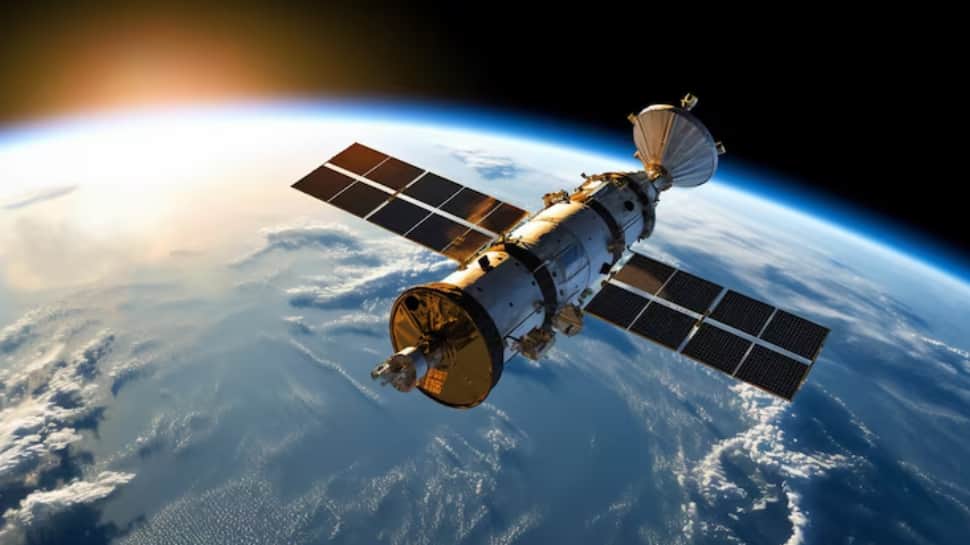
The year 2026 is set to be a landmark period for space exploration and technological advancement, potentially becoming humanity’s most exciting year in the cosmos. The global space industry, a burgeoning sector valued at over $613 billion, is rapidly evolving from government-funded projects to a dynamic commercial landscape.
A crucial technological hurdle for deep space missions, like reaching Mars, could be cleared in 2026 with SpaceX’s planned orbital refueling demonstration. This complex maneuver, where one spacecraft transfers fuel to another in orbit, is essential for enabling extended voyages into the solar system.
The competitive landscape among private space entities is accelerating innovation. Companies such as Blue Origin and Rocket Lab are developing powerful new rockets, driving down launch costs and expanding access to space for diverse applications.
In February 2026, NASA’s Artemis II mission will carry four astronauts around the Moon. This flight is a vital test of the Orion spacecraft and SLS rocket, confirming the readiness of systems needed for future human lunar missions and offering the crew a profound perspective of Earthrise.
China’s space agency is also planning a significant lunar mission, Chang’e-7, for mid-2026. The mission’s primary focus will be to search for water ice in the Moon’s permanently shadowed craters. The presence of water ice is critical for establishing sustainable lunar bases and producing rocket fuel, turning the Moon into a vital resource hub.
On a global scale, the deployment of vast satellite constellations, like Starlink, is transforming internet access, bringing high-speed connectivity to previously underserved areas and bridging the digital divide.
India is making impressive strides in its space program. The Gaganyaan G1 uncrewed test flight in January 2026, featuring the robot astronaut Vyommitra, will be a key step in ensuring the safety of future Indian astronauts. India’s thriving private space sector, featuring innovative launch vehicle developers and numerous startups, is a significant contributor to its growing space economy. These advancements have practical implications, including enhanced agricultural productivity, better disaster preparedness, and improved environmental monitoring, benefiting countless lives.
2026 distinguishes itself by harmonizing ambitious exploration goals with concrete commercial ventures. It’s a year where we pursue scientific understanding while building the infrastructure for a sustained human presence and economic activity in space. Space endeavors also have a unique capacity to foster global cooperation, reminding us of our shared humanity and offering potential pathways to address worldwide challenges. The stars are becoming increasingly accessible, serving as both destinations and catalysts for earthly innovation.