

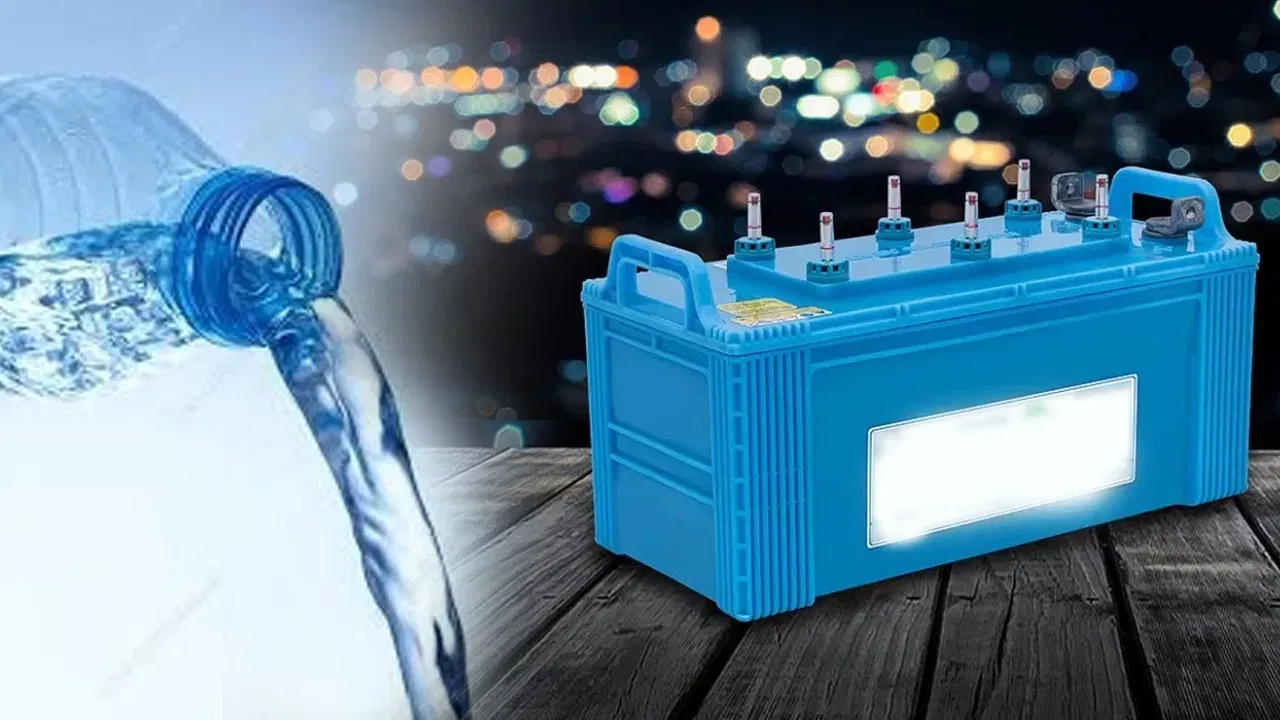
Inverters have become indispensable in homes, especially during power cuts. Proper maintenance of the inverter’s battery is crucial for its longevity. A key aspect of this maintenance is the addition of distilled water. Many people are unaware of this simple, yet vital task. This article explains why adding water is essential, how often to do it, and what to avoid.
Inverter batteries utilize lead-acid cells, which use an electrolyte consisting of liquid acid and distilled water. During the charging and discharging processes, water evaporates. This can impact performance if not addressed.
Adding distilled water ensures the correct electrolyte level and the battery functions properly. Maintaining the correct water level extends battery life, prevents overheating and damage. Overheating can lead to serious problems, and reduces the battery’s ability to charge effectively and provide backup power.
Tap water must not be used. The minerals and other substances present in tap water can damage the internal components of the battery and shorten its lifespan.
Check the water level in your battery once a month. Add distilled water as needed to keep the plates submerged. Avoid overfilling the battery.