

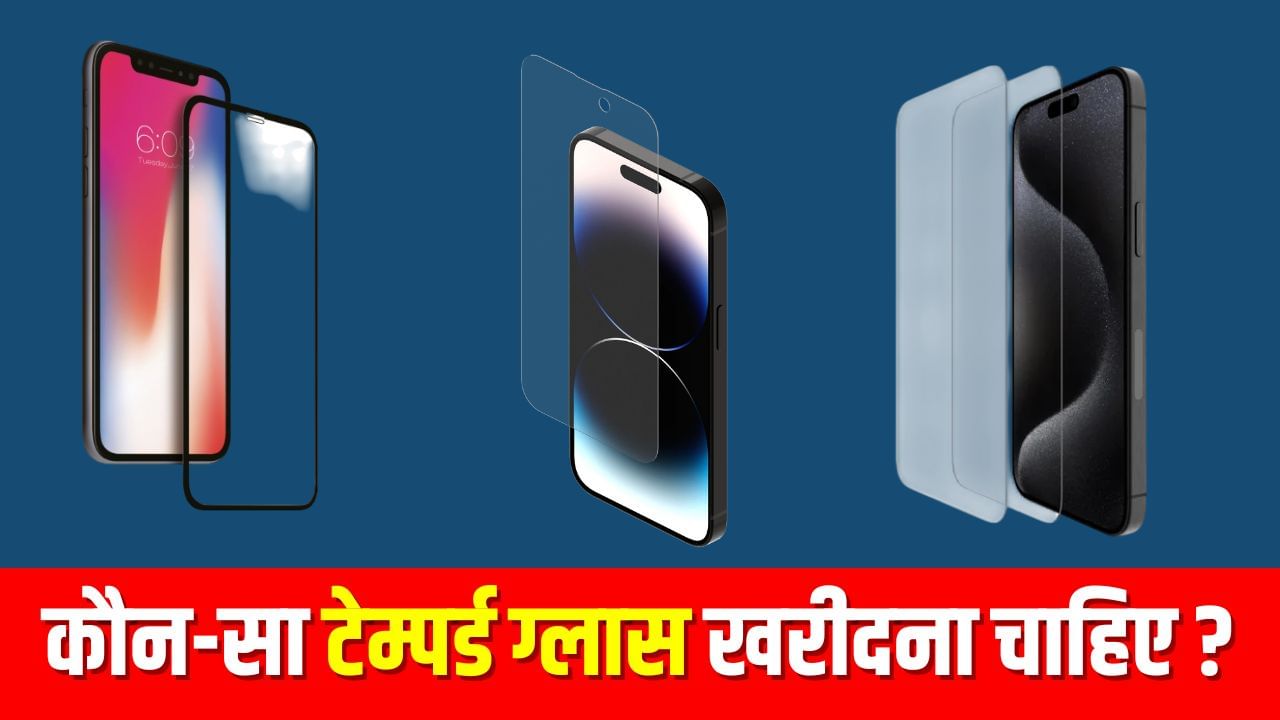
Tempered glass is a crucial accessory for protecting your smartphone. However, the various options available – 2D, 3D, 9H, and 11D – can be confusing. This guide clarifies the differences.
2D Tempered Glass: Simple and Economical
2D tempered glass is the simplest and most cost-effective option. It covers only the flat surface of the screen, leaving the edges uncovered. It works well for phones with flat displays but isn’t ideal for curved screens, as it may lift easily and offers no edge protection.
3D Tempered Glass: Optimal for Curved Displays
3D tempered glass is specially designed for curved displays, featuring curved edges for full screen coverage. It is the best choice for smartphones with curved screens. It fits smoothly, giving the phone a premium aesthetic.
11D Tempered Glass: What’s the Deal?
11D tempered glass is often marketed as more advanced than 2D or 3D. However, terms like 4D, 5D, 9D, or 11D are primarily marketing ploys aimed at creating a perception of superiority. Many consumers believe that the ‘D’ indicates hardness, with a higher ‘D’ implying greater strength. Companies capitalize on this belief by marketing glasses with names ranging from 4D, 5D, 9D to 11D.
The reality is that the dimensional aspect is limited to 3. The tempered glass sold as 11D is actually 2.5D glass. Remember that the true strength of tempered glass is measured by ‘H’, for example, 9H hardness.
9H hardness signifies its resistance to scratches and impacts. The screen is protected from everyday scratches from keys or coins.
Choosing the Right Tempered Glass
If you have a flat-screen phone, 2D or 9H tempered glass should suffice. For curved displays, 3D or 11D options are recommended. A slightly more expensive tempered glass may be a worthwhile investment for those seeking durability, as it maintains touch sensitivity and helps manage heat.