

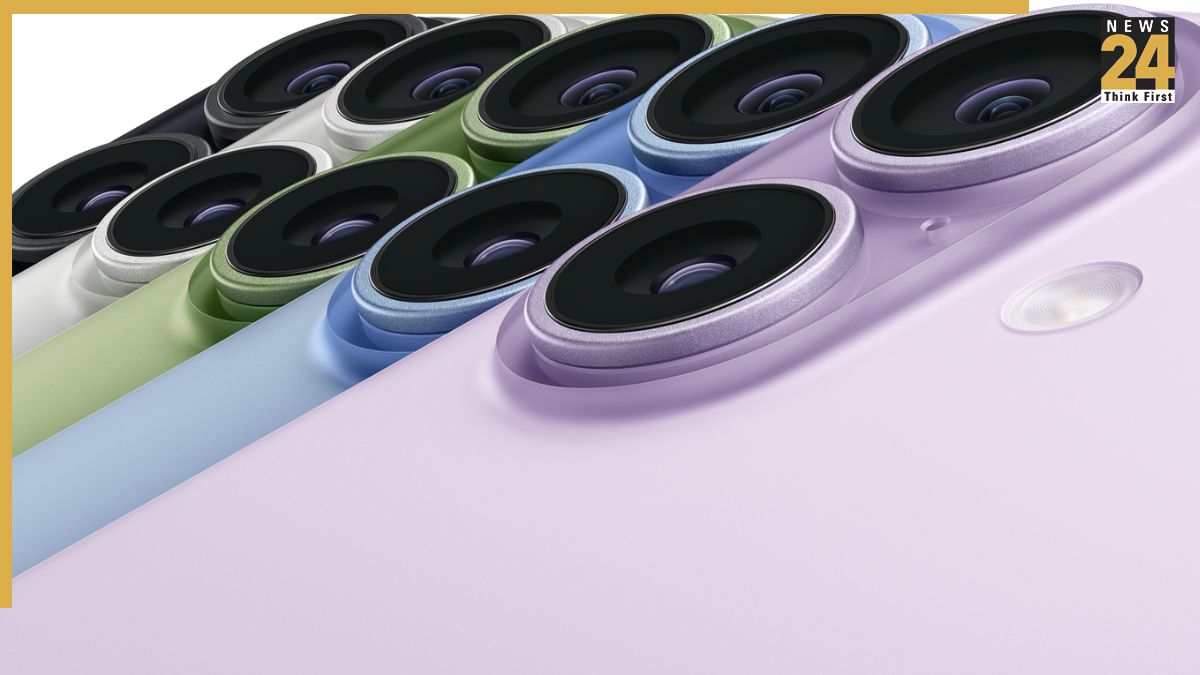
While the iPhone 17 Pro Max and Air have generated excitement, the base iPhone remains positioned as the entry-level model. Despite incorporating the ProMotion display and A19 chip, the phone doesn’t significantly differentiate itself, sharing the same design as the previous year’s model.
Given its expected premium price, the question of value is paramount. Numerous Android alternatives deliver a flagship experience, frequently at a more competitive price point.
Google Pixel 10:
The Pixel 10 provides a high-end Android experience that rivals flagship phones. Its camera system, which includes a 48MP main sensor, a 13MP ultrawide lens, and a telephoto camera, is a standout feature. The 5x optical zoom telephoto lens gives it an advantage over the iPhone 17.
Apple’s shortcomings in AI innovation are evident. Although Apple promotes features such as Liquid Glass and Apple Intelligence, they fall short compared to the comprehensive Gemini AI capabilities of the Pixel 10.
Samsung Galaxy S25:
The Galaxy S25 benefits from the Snapdragon 8 Gen 3 Elite chip, surpassing the performance of both Apple’s A19 and Google’s Tensor chip. This makes the S25 a powerhouse for gaming, multitasking, and productivity.
The S25 also features a triple camera setup that incorporates a 10MP telephoto lens with 3x optical zoom, a feature absent in the iPhone 17.
OnePlus 13R:
The OnePlus 13R features a 6.78-inch AMOLED display, surpassing the size of the iPhone 17, Pixel 10, and Galaxy S25. It offers a 120Hz refresh rate, perfect for media consumption and daily usage.
It’s equipped with the latest Snapdragon 8 Gen 3 chip, designed for demanding tasks. The phone also features a triple-camera system with a telephoto lens capable of 2x optical zoom. With an 80W fast charger, it can provide up to two days of battery life.
Nothing Phone (3):
For users seeking a unique aesthetic, the Nothing Phone 3 could be a viable alternative. However, its older processor and unconventional design place it in a less competitive position within this segment.