

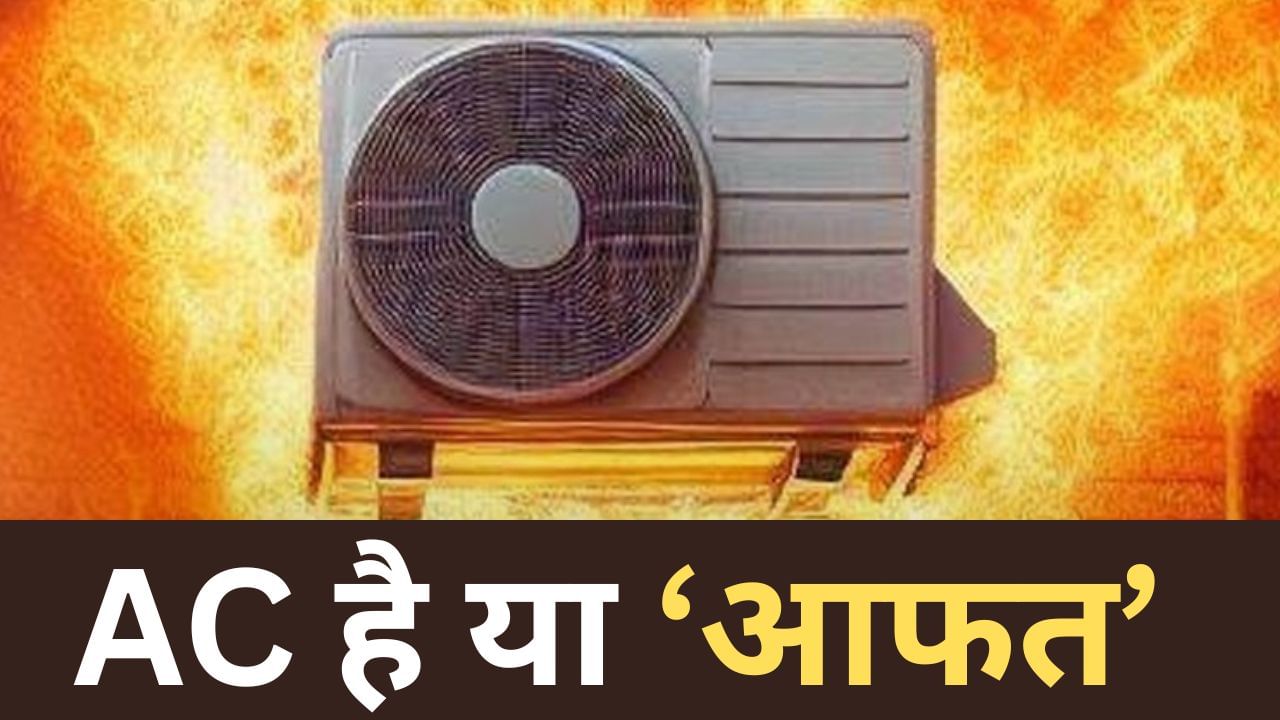
AC explosions present a persistent safety hazard, resulting in numerous injuries and fatalities each year. With the recent tragic event in Faridabad where an AC blast claimed the lives of three people, this article provides crucial insights into the underlying causes of such explosions, identifies key warning signs, and offers practical advice on how to prevent these dangerous situations. The goal is to help you protect yourself and your loved ones.
Main Causes of AC Explosions:
* Wiring Problems: Faulty wiring during installation or the degradation of the wiring due to age are major contributors.
* Electrical Failures: Electrical issues are a primary cause, emphasizing the need for regular maintenance and servicing of the AC unit.
* Gas Leaks and Overheating: Insufficient maintenance may lead to compressor overheating and gas leakage, which are both serious risks.
* Clogged Systems: Dust and dirt can block the filters, reducing cooling efficiency and potentially causing compressor-related explosions.
Warning Signs Before an AC Explosion:
* Unusual Sounds: Strange noises or vibrations from the AC unit should not be ignored.
* Burning Smell: The smell of burning plastic or wires indicates an immediate problem.
* Excessive Heat: If the indoor unit is excessively hot, it’s essential to investigate the cause.
* Smoke: Any signs of smoke emanating from the unit require immediate action.
* Erratic Operation: If the AC is turning on and off irregularly, there could be an electrical fault.
* Sparking: Visible sparks near the plug necessitate an immediate shutdown of the power supply.
How to Stay Safe:
* Schedule regular maintenance
* Clean filters on a consistent basis
* Avoid overusing the AC
* Ensure proper wiring and use stabilizers
* Be alert to unusual smells or sounds
AC Gas Information: The article notes that most AC units use R32 gas, which is better for the environment and energy-efficient, and that some models use R-410A.