

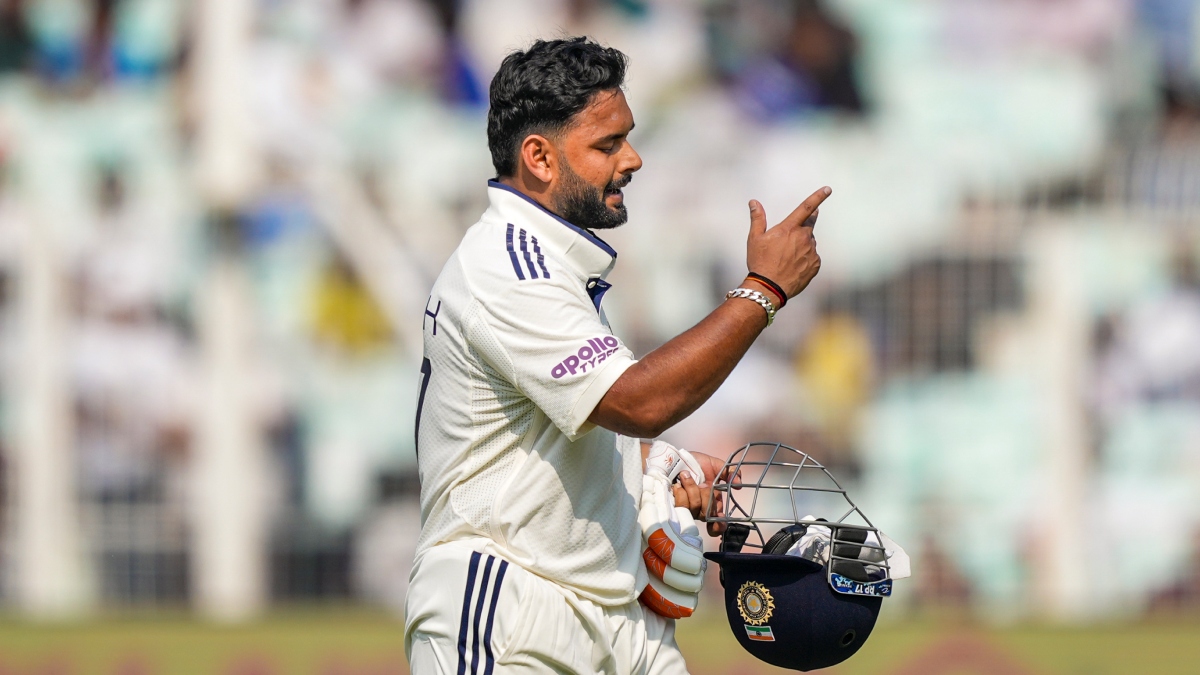
Recent defeats in home Test series have sparked a significant debate about the composition of the Indian cricket team, specifically questioning the availability of pure Test batsmen. The team’s inability to chase down a small total against South Africa has brought this issue into sharp focus. While T20 cricket and the IPL command immense attention, the fundamental requirements of Test match batting are being scrutinized.
Test cricket is widely regarded as the pinnacle of the sport, a grueling test of a player’s technique, temperament, and endurance over five days. It demands patience, the ability to adapt to different conditions, and the resilience to overcome challenging bowling spells and batting collapses. Consistency and mental fortitude are paramount in this format.
The pervasive influence of T20 cricket, with its emphasis on aggressive stroke-play and rapid scoring, may be impacting the development of traditional Test batting skills. The skills honed for T20 – hitting big shots, playing improvisationally – differ greatly from the patient, technically sound approach required to succeed in Test cricket. Playing the ball late and under the eyes are crucial Test techniques often downplayed in the T20 game.
While India has many talented batsmen, the distinct player profile of a ‘pure Test batter’ seems to be becoming less prevalent, a trend observed globally. These players are characterized by their strong defense, ability to grind out runs, and temperament for long innings.
In the current Indian Test squad, KL Rahul and Shubman Gill are often seen as closer to the traditional Test mold. In contrast, players like Yashasvi Jaiswal and Rishabh Pant are recognized for their dynamic, aggressive styles. The domestic circuit has batsmen like Mayank Agarwal and Ajinkya Rahane who possess Test credentials, but they haven’t always found consistent opportunities.
These recent Test results strongly suggest a decline in specialist Test batsmen, a challenge that appears to be affecting the global cricketing landscape as well.