

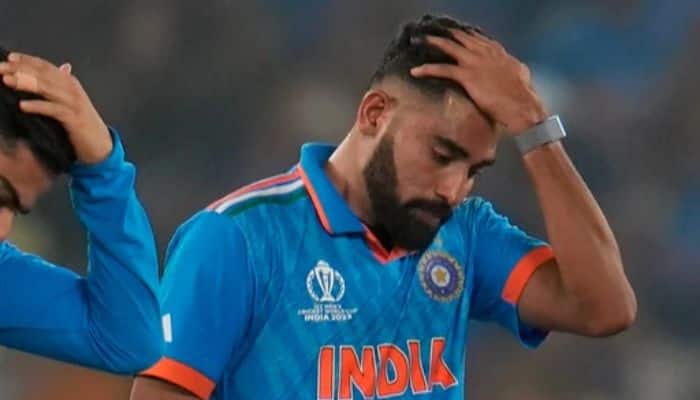
Aakash Chopra has voiced strong reservations regarding Mohammed Siraj’s current status within the Indian cricket team, particularly his exclusion from ODI and T20I squads. Following India’s defeat in the second ODI against South Africa, Chopra questioned the rationale behind sidelining one of the country’s most effective fast bowlers from limited-overs cricket. The perception of Siraj becoming solely a ‘Test specialist’ has raised eyebrows, given his previous success and impact in ODIs and T20Is. His formidable skills – including exceptional new-ball swing, pinpoint accuracy, and the knack for extracting bounce – once positioned him as a key all-format bowler for India. His sensational seven-wicket haul in the Asia Cup 2023 final stands as a shining example of his destructive potential in ODIs.
Chopra, speaking on his YouTube channel, admitted he was perplexed by Siraj’s current trajectory. He pointed out that Siraj maintained a respectable economy rate in recent T20 internationals against Australia, demonstrating his control and effectiveness, yet has been overlooked for white-ball assignments. The former cricketer highlighted what he sees as an inconsistent selection approach, with other bowlers like Harshit Rana and Prasidh Krishna being afforded more opportunities in limited-overs formats. Siraj’s absence from the Champions Trophy 2025 squad, despite being India’s leading ODI wicket-taker just two years ago, has further amplified criticism and calls for transparency in the selection process.
The Indian selection committee’s focus on cultivating younger fast bowlers for upcoming ICC tournaments is understandable. However, critics argue that an overemphasis on rotation might be preventing the team from forging a stable and experienced pace attack. In the dynamic environment of white-ball cricket, adaptability and proven performance are crucial. Siraj’s ability to swing the ball early and exert pressure in the middle overs makes him a highly valuable asset, particularly in major tournaments. Chopra’s timely remarks have reignited the conversation surrounding selection clarity, effective player management, and the strategic development of India’s fast bowling resources.