

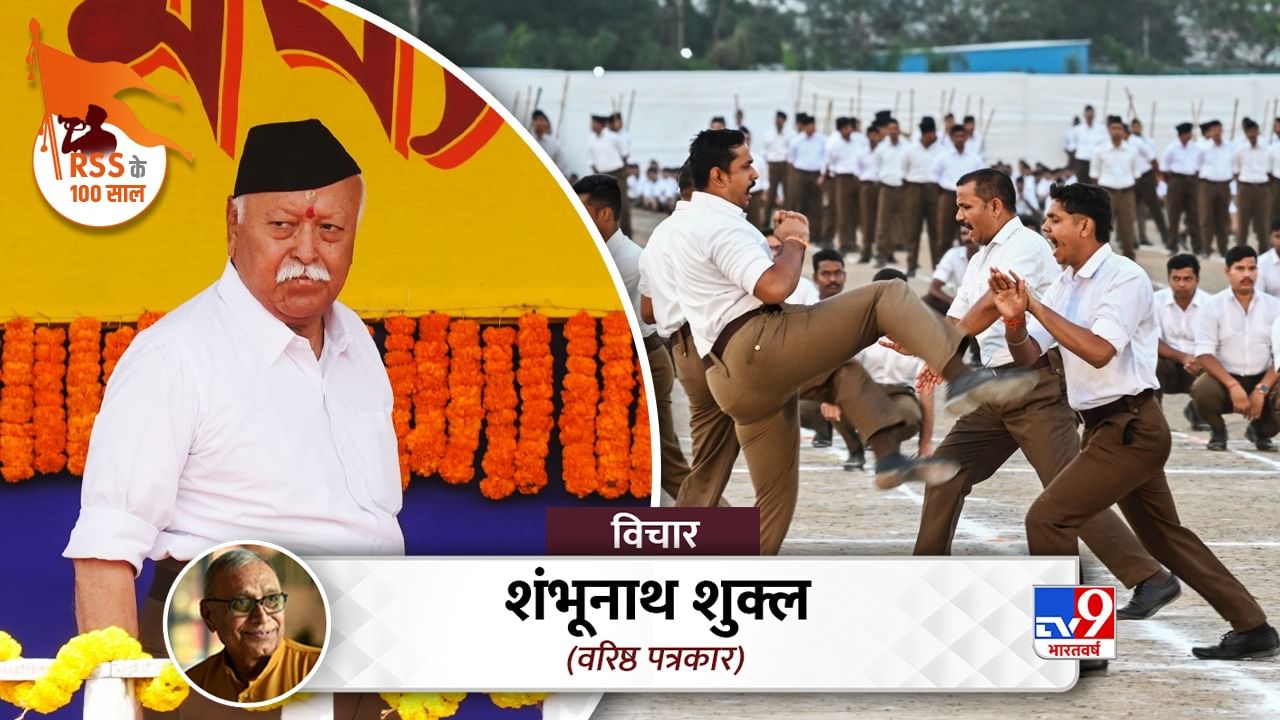
The RSS, an organization often declared to be nearing its end, continually reasserts itself with increased strength. This is a consequence of its adherence to strategies sometimes used by its ideological opponents, such as ‘one step back, two steps forward’. This has allowed the RSS to prosper for over a century, distinguishing it as an organization unmatched in India. Its strength lies in its organization, discipline, and consistency. The resilience of the RSS can be credited to its members’ devotion to its core principles. The RSS’s capacity to overcome setbacks and re-emerge more powerful has resulted in its characterization as a phoenix.
Throughout its history, the RSS has experienced three bans. These were imposed after the assassination of Gandhi, during the Emergency in 1975, and after the demolition of the Babri Masjid in 1992. The government was unable to provide evidence directly implicating the RSS in any of these events. The bans were subsequently lifted. Following the 1962 conflict with China, Prime Minister Jawaharlal Nehru allowed an RSS contingent to participate in the 26th January parade in 1963. The RSS has consistently projected itself as a cultural organization and has avoided identifying as purely Hindu.