

The Biju Janata Dal (BJD) has strongly criticized the central government regarding the implementation of Goods and Services Tax (GST), specifically concerning kendu leaves and handloom products. The central point of the BJD’s grievance is that complete exemptions from GST have not been provided to these sectors, a situation the party believes requires immediate attention. The BJD and associated organizations have been campaigning for such exemptions for a long time.
Speaking at a press conference concerning the revised GST slabs, BJD representatives, including Debi Prasad Mishra, Senior Vice President, and Niranjan Pujari, former Finance Minister, voiced their strong objections. They highlighted the party’s continuing efforts since 2018 to ensure a full GST exemption for kendu leaves. They have noted the reduction in the GST rate on kendu leaves from 18 percent to 5 percent, but argue that this change is insufficient and doesn’t provide meaningful financial relief to the individuals engaged in harvesting the leaves.
Pujari additionally emphasized the need for a full GST exemption for the handloom sector, highlighting the significance of safeguarding the interests of weavers. He made a distinction between power looms, which are controlled by industrial entities, and handlooms, which provide support for underprivileged weavers. The weavers create items like cotton and silk sarees. To offer support to these economically disadvantaged weavers, a complete GST exemption has been frequently requested. However, a 5 percent GST is still imposed on them.
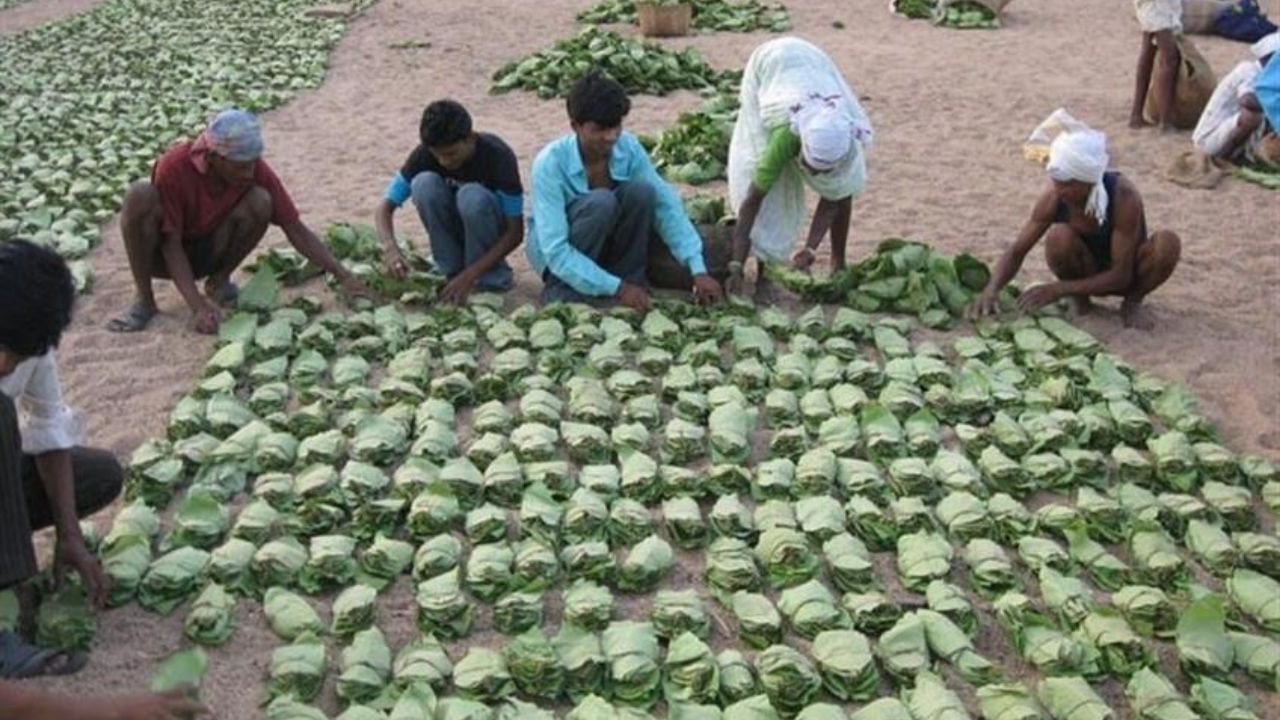
The BJD reiterated its demand for complete GST exemptions for both sectors. Odisha is a prominent producer of kendu leaves. The annual production is approximately 3 lakh quintals, representing roughly 20 percent of the national total. Kendu leaves are sourced from 22 districts of Odisha. The kendu leaf trade mainly sustains tribal communities. These leaves are primarily used to make bidis and also have applications in traditional medicine. They function as an important Non-Wood Forest Product (NWFP) that provides economic aid to numerous tribal communities. They are harvested in states such as Odisha, Madhya Pradesh, and Chhattisgarh.