

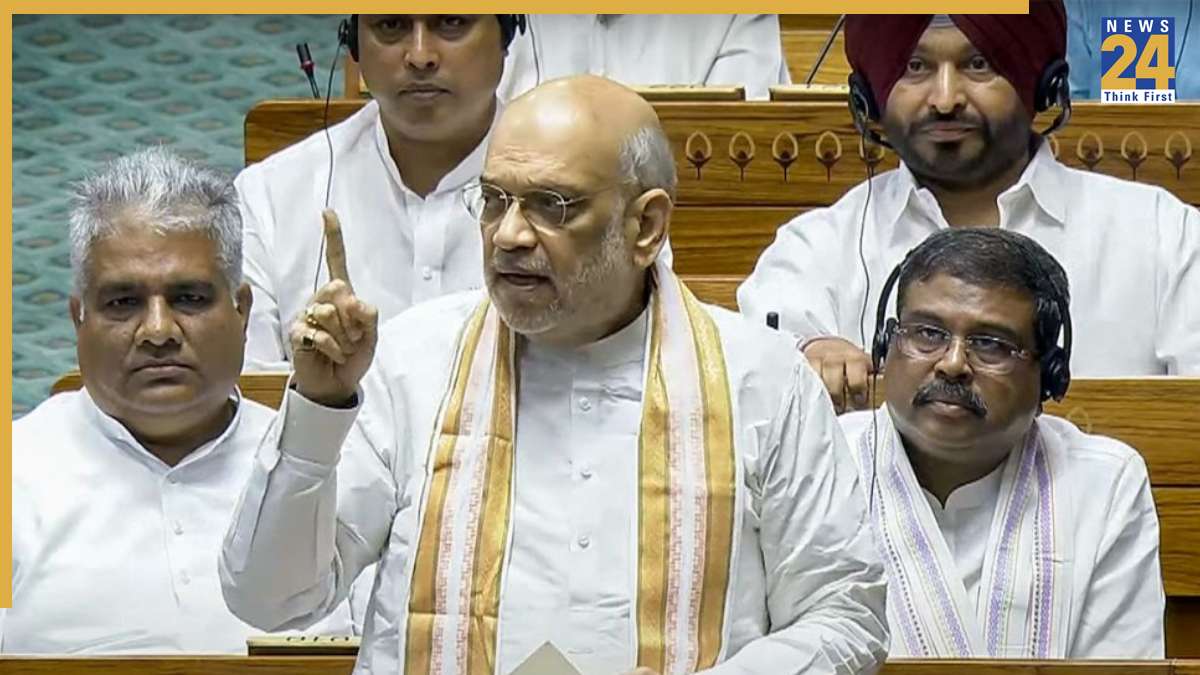
Amit Shah, the Union Home Minister, introduced three significant amendment bills in Parliament, triggering a wave of reactions from the opposition. The central piece of legislation is the Constitution (One Hundred and Thirtieth Amendment) Bill, 2025. This bill establishes provisions for removing the Prime Minister, Union Ministers, Chief Ministers, or Ministers of State/Union Territories if they are arrested and held in custody for 30 consecutive days on serious criminal charges, which carry a minimum sentence of five years. As proposed, these officials would be removed from office on the 31st day of detention. Shah suggested that the bills be presented to a standing committee for review.
The other two bills include the Government of Union Territories (Amendment) Bill, 2025, and the Jammu and Kashmir Reorganisation (Amendment) Bill, 2025, with plans for presentation in the Lok Sabha on August 20 and 21. The Government of Union Territories bill seeks to amend the 1963 Act to create a legal basis for removing a Chief Minister or minister who is arrested and detained due to serious criminal charges. The Jammu and Kashmir Reorganisation (Amendment) Bill, 2025, aims to modify the 2019 Reorganisation Act to deal with similar scenarios within the framework of Jammu and Kashmir. The timing of the introduction of these bills, just before the conclusion of the Monsoon Session, has intensified political debates. Opposition members, including Asaduddin Owaisi, expressed their strong disapproval. The Congress party criticized the government’s move, alleging it was intended to divert attention from vote-rigging allegations and Rahul Gandhi’s rally in Bihar. Priyanka Gandhi Vadra criticized the proposed bill concerning the removal of PMs, CMs, and ministers, describing it as draconian.