

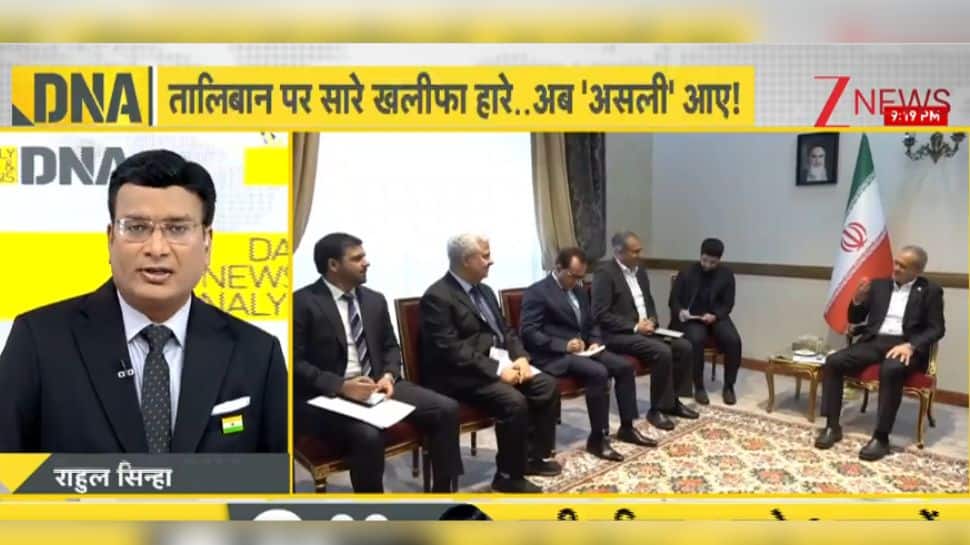
With diplomatic efforts through Qatar and Turkey proving unsuccessful, Pakistan is now reportedly seeking Iran’s assistance to mediate its ongoing conflict with Afghanistan’s Taliban administration. This escalation in seeking external mediation highlights Pakistan’s increasing vulnerability and the severity of the border disputes.
Prime Minister Shehbaz Sharif and Army Chief Asim Munir are said to have initially approached Qatari and Turkish leaders for mediation concerning the Afghan Taliban. When these efforts yielded no significant progress, Iran’s President Masoud Pezeshkian offered to play a mediating role, advocating for unity among Muslim countries and calling for reduced tensions between Pakistan and Afghanistan.
A public display of Pakistan’s diplomatic push was captured on video during a recent ECO gathering in Tehran. Interior Minister Mohsin Naqvi was seen urging Afghan Deputy Interior Minister Ibrahim Sadr for peace, while the Afghan minister’s apparent disinterest in the viral footage underscored the uphill battle Pakistan faces.
Analysts believe Iran’s potential mediation is driven by strategic considerations. Its shared border with both nations, its influence over Afghanistan’s Hazara minority, and its established connections with the Taliban make it a key regional player. Iran’s position in energy infrastructure and its control over the Chabahar connectivity route also contribute to its leverage.
Domestically, Pakistan continues to contend with severe security issues. Despite Defense Minister Khawaja Asif’s recent warnings of retaliation, the country has reportedly lost over 4,000 soldiers to insurgent attacks. The circulation of videos showing Pakistani troops on tanks in Balochistan, fearing local rebel activity, starkly illustrates the internal security crisis, a reality that contrasts with the outward projection of national strength by its leadership.