

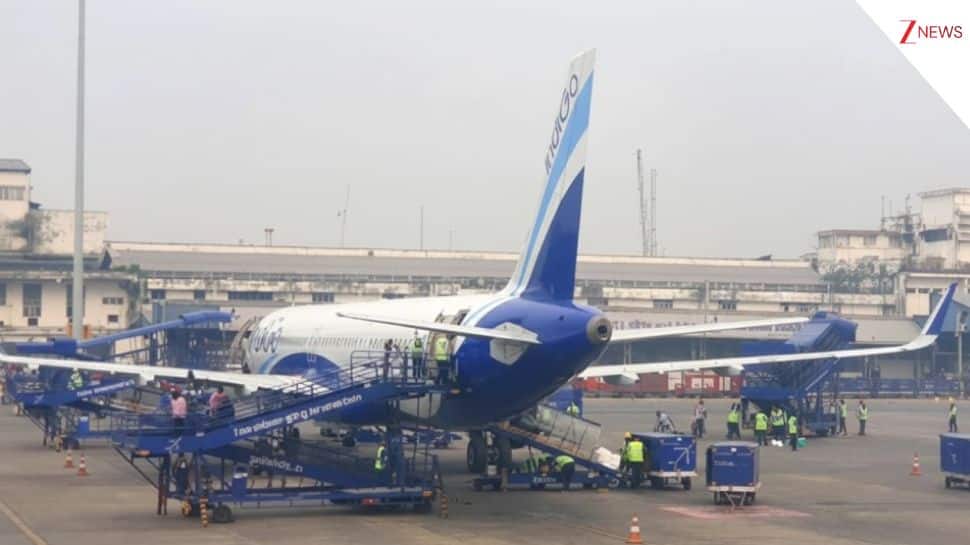
The operational crisis at IndiGo continues for the fifth day, with approximately 300 flights cancelled on Friday, causing significant travel chaos across India. Major airports in Delhi, Mumbai, Pune, and Hyderabad are reporting severe disruptions, and passengers are advised to confirm their flight status before heading to the airport.
IndiGo’s operations were described as ‘steadily resuming’ by Delhi’s Indira Gandhi International Airport late Friday, though vigilance was urged. The airline’s prior decision to cancel all domestic flights from Delhi until midnight Friday stranded numerous travelers.
IndiGo CEO Pieter Elbers admitted Friday was the most difficult day of the crisis and anticipates cancellations to fall below 1,000 on Saturday, with a goal of returning to normal operations between December 10th and 15th. The airline’s challenges are linked to the implementation of new Flight Duty Time Limitation (FDTL) rules, which took effect in January 2024. These rules mandate sufficient rest for pilots and crew. While the rules have existed for a year, their recent strict enforcement has evidently caught IndiGo off guard.
The disruption’s scale is evident: December 2nd saw 200 cancellations and just 35% on-time performance. The numbers climbed drastically, with over 150 cancellations on December 3rd, 300-550 on December 4th, and exceeding 400 on December 5th, affecting major flight hubs.
IndiGo is offering affected passengers full refunds and waiving rescheduling fees for bookings made between December 5th and December 15th. The Directorate General of Civil Aviation has criticized IndiGo’s ‘misjudgment’ and ‘gap in planning’ regarding the duty-hour limits. The ongoing situation has led to a drop in IndiGo’s stock value.
As a measure to alleviate the passenger crunch, Indian Railways has introduced 116 additional coaches across 37 trains on Friday to assist those impacted by IndiGo’s extensive flight cancellations.