

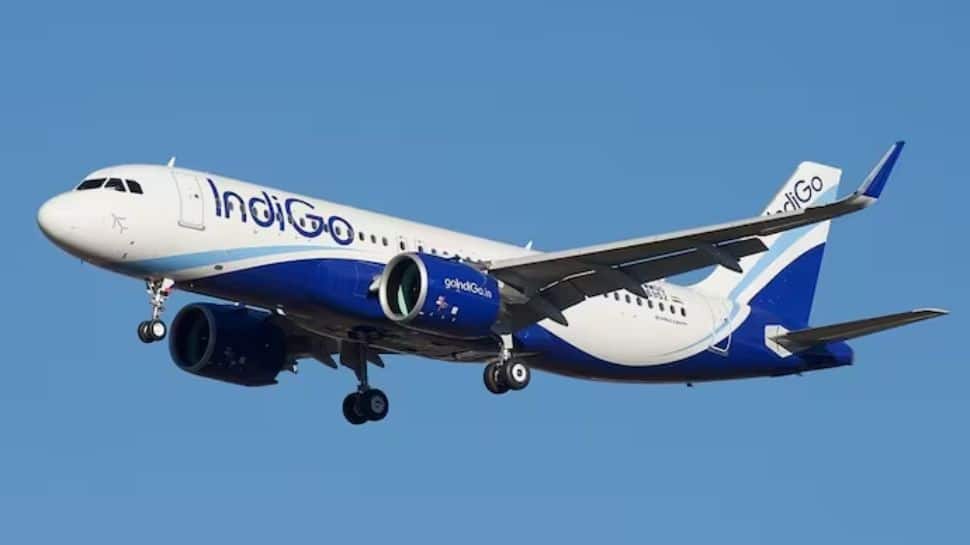
This week witnessed significant travel disruption across India, with IndiGo, the country’s largest airline, canceling over 200 flights and causing hundreds of delays. Travelers faced chaotic airport scenes, prolonged waits, and mounting frustration as the airline grappled with a major operational breakdown.
The cascading cancellations and delays were triggered by a convergence of multiple issues. These included a notable shortage of flight crew, the implications of recently introduced Flight Duty Time Limitation (FDTL) rules, technical glitches at key airport facilities, and the usual surge in passenger traffic during the winter season.
A primary driver of the disruption was the constraint on crew availability. The new FDTL regulations, effective November 1, have imposed stricter limits on pilots’ working hours and mandated longer rest periods. This has led to a situation where flights cannot operate due to a lack of legally compliant crew. Consequently, entire flight sequences have been canceled because pilots are no longer eligible to fly after adhering to their required rest times.
IndiGo, operating an extensive network with more than 2,200 daily flights, including a substantial number of night operations, found its scheduling system severely challenged by the new FDTL norms. The airline has had to fundamentally re-engineer its crew rosters and flight plans. The scheduling systems have reportedly not yet fully stabilized under these new requirements, resulting in immediate crew shortages on busy routes.
Further complicating matters, critical systems at Delhi and Pune airports experienced technical failures on Tuesday. These malfunctions impacted check-in processes and departure controls, leading to missed take-off slots and disruptions in aircraft rotation. IndiGo’s operational efficiency relies on highly synchronized movements, making it vulnerable to delays cascading throughout its network.
The winter months are inherently busy for air travel, and this year has seen significant passenger volume coupled with frequent fog-related delays. Major airports were already operating at near-full capacity. IndiGo’s tightly packed schedule allowed for little room to absorb any delays, causing initial disruptions to snowball throughout the day. Official data highlighted the severity, with IndiGo’s on-time performance dropping to 35% on Tuesday, affecting over 1,400 flights. The Directorate General of Civil Aviation (DGCA) recorded 1,232 cancellations throughout November.
The DGCA’s enhanced FDTL rules are a critical safety enhancement, requiring longer rest periods, stricter duty hour limits, and fewer night landings. These regulations set maximums for flight hours per day, week, month, and year, along with mandatory minimum rest. Airlines like IndiGo, which maximize crew utilization and operate numerous night flights, are more significantly impacted by these changes.
While the new regulations apply to all carriers, IndiGo’s dominant position in the Indian aviation market means its operational challenges have a national scope. Its reliance on high crew utilization and extensive night operations makes it particularly sensitive to the new constraints. Unlike smaller airlines with simpler networks, IndiGo’s vast operational web offers less flexibility for rapid crew adjustments.
IndiGo has indicated it is undertaking ‘calibrated adjustments’ and expects operations to normalize within approximately 48 hours. Measures include reallocating crews, revising night schedules, and proactively managing cancellations to prevent further last-minute chaos. Passengers are strongly advised to check their flight status before traveling to the airport.